
September 8, 2026
URL slug: /teledentistry/senior-care
For senior living operators, assisted living communities, skilled nursing facilities, and clinical care teams, dental concerns can quickly become operational challenges. A resident may develop severe tooth pain overnight, experience swelling over a weekend, or need guidance about a broken dental appliance when the regular dentist is unavailable. At the same time, mobility limitations, transportation logistics, caregiver coordination, and complex medical histories can make arranging an in-person dental visit difficult.
Teledentistry for senior care provides an additional access point for timely professional guidance. Through The TeleDentists, residents can connect with licensed dentists 24/7 through a video-enabled device, mobile phone, tablet, or computer. Where supported, patients may connect in under 10 minutes for a virtual consultation that helps the resident and care team understand what to do next.
Virtual dental care does not replace comprehensive in-person examinations, diagnostic imaging, cleanings, extractions, restorations, or other procedures. Instead, it can serve as a clinical bridge between the onset of a concern and the in-person care a resident may need.
Older adults living in assisted living and skilled nursing environments often face several overlapping barriers to dental care. The National Institutes of Health’s overview of oral health in older adults identifies transportation, financial limitations, physical disabilities, and special healthcare needs as common access challenges.
For senior care communities, those barriers may appear in practical ways:
These challenges can delay professional guidance. They can also place additional pressure on nursing staff, administrators, families, and emergency departments.
The Association of State and Territorial Dental Directors has described access to dental care in skilled nursing facilities as historically limited and affected by patient, provider, facility, and system-level barriers. A virtual dental consultation can help address one part of that access problem without suggesting that remote care is appropriate for every condition.
The TeleDentists gives senior care organizations a way to connect residents with licensed dentists when immediate dental guidance is needed. The service can support a range of situations, including:
During a consultation, the dentist may review symptoms, discuss the resident’s oral-health concern, provide self-care and monitoring guidance, and recommend the next appropriate step. When clinically appropriate and permitted, the dentist may prescribe non-narcotic medication or other medications related to the dental concern.
Prescriptions are not automatic. The dentist must determine whether medication is appropriate based on the resident’s symptoms, medical history, allergies, current medications, and other relevant information. Facility teams should continue to follow their medication administration policies and coordinate with the resident’s primary care provider, attending physician, pharmacist, or other treating professionals as needed.
If the concern requires hands-on treatment, imaging, or a comprehensive examination, The TeleDentists can provide a referral or help with care navigation. This may include helping the resident or care team identify an appropriate local dental provider for follow-up.
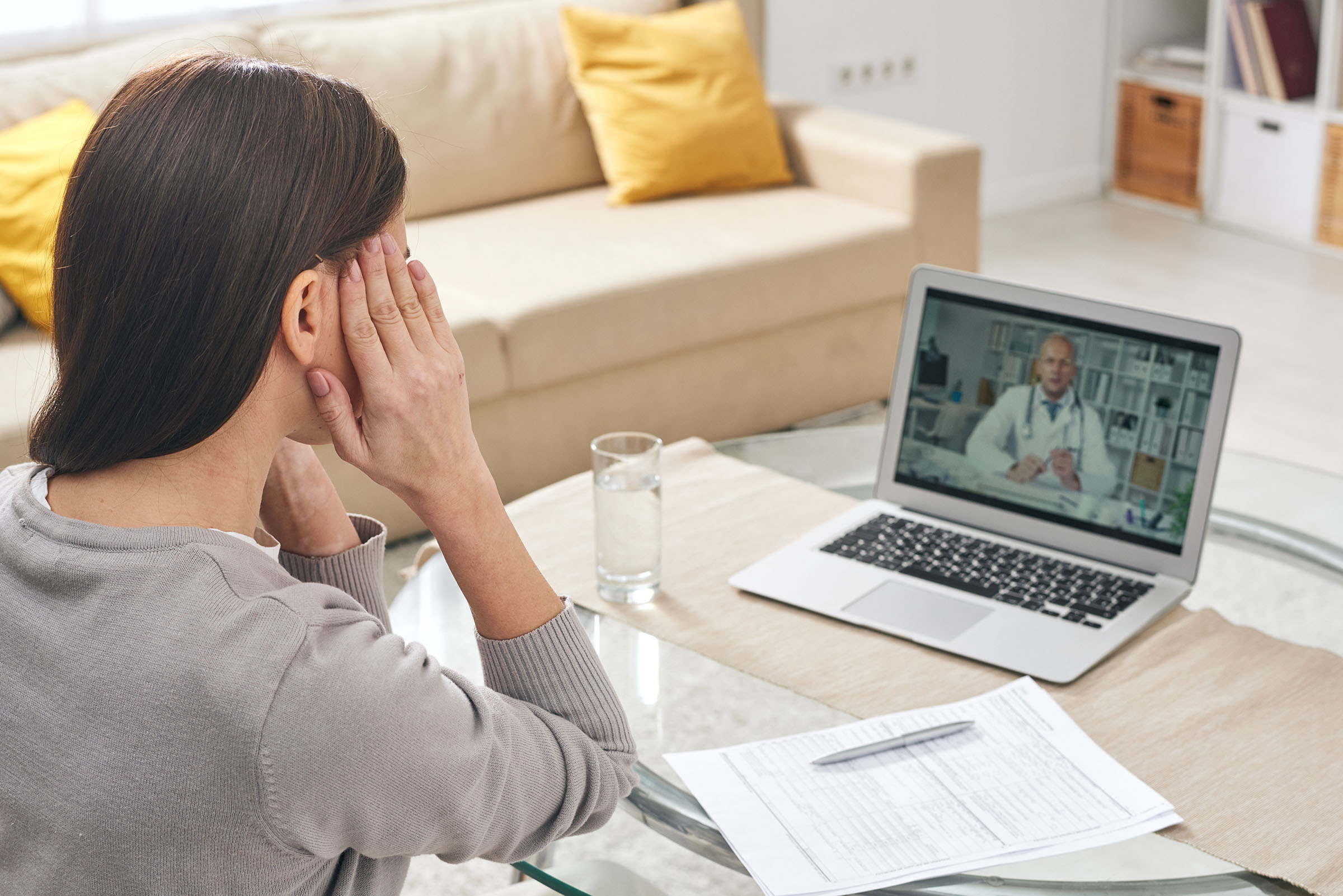
Dental pain does not follow a facility’s office schedule. A resident may report worsening pain late at night, during a holiday, or over the weekend. Waiting until the next business day may not be appropriate, but sending a resident to an emergency department for every dental concern may not provide the dental evaluation the situation requires.
A virtual consultation offers a timely way to assess the concern and determine the next step. The dentist may help clarify:
This type of triage does not guarantee that a resident can avoid an emergency department or in-person visit. It provides additional clinical guidance so the care team can make a more informed decision based on the resident’s symptoms and circumstances.
If symptoms suggest a serious medical emergency, such as difficulty breathing, uncontrolled bleeding, or rapidly progressing swelling, facility protocols and emergency services should take priority.
Caregivers are often responsible for translating a resident’s concern into an actionable plan. That can be difficult when the resident has communication challenges, memory loss, hearing impairment, or limited ability to describe symptoms.
A virtual dental consultation can include the caregiver in the conversation, when appropriate. Caregivers may help provide:
Having this information ready can help the dental professional better understand the concern. It also gives the care team a more organized basis for communicating with the resident’s dentist, primary care team, family, or specialist.
The TeleDentists can also help connect residents with local dental professionals when an in-person examination or treatment is required. This care-navigation component is particularly valuable for communities serving residents who need assistance coordinating appointments and transportation.

Senior care organizations can incorporate virtual dental support into existing resident-care and escalation protocols. Potential operational benefits include:
Staff have another resource to consider when a resident reports dental pain or an oral-health concern outside normal dental office hours.
Virtual consultations can be especially useful for rural facilities or communities located far from dental providers. The service may help establish a clinical bridge when local dental access is limited, while still directing residents to in-person care when needed.
Rather than immediately beginning a complex off-site appointment process, a care team can first seek professional guidance about the concern and the urgency of follow-up.
Dentists can explain symptoms, discuss appropriate next steps, and provide practical guidance that caregivers can share with the resident and family.
The TeleDentists wholesales its services to organizations, including healthcare companies, payors, hospitals, emergency departments, urgent care organizations, and other partners. Senior living operators can explore how virtual dental consultations may fit into their resident-support programs by visiting the Dental Services for Businesses page.
A simple internal process can make virtual dental access easier to use:
For residents in assisted living and skilled nursing settings, access to dental care is shaped by more than provider availability. Mobility, transportation, staffing, cost, caregiver involvement, medical complexity, and timing all influence whether a resident receives timely attention.
The TeleDentists helps senior care teams respond to dental concerns with 24/7 virtual consultations, rapid connection where supported, clinical triage, caregiver guidance, prescriptions when appropriate, referrals, and care navigation. It is not a substitute for comprehensive in-person dental care. It is an additional resource designed to help residents and care teams determine what should happen next.
To explore a B2B partnership for your senior living organization, visit The TeleDentists and request more information about bringing accessible virtual dental support to your residents and care teams.
No. Virtual dental care is not a replacement for comprehensive dental examinations, X-rays, cleanings, procedures, or ongoing treatment. It can provide timely guidance and help determine whether in-person follow-up is needed.
Yes, caregivers can assist with technology, describe symptoms, provide relevant health information, and help the resident understand the dentist’s recommendations, subject to appropriate consent and facility procedures.
When clinically appropriate, a licensed dentist may prescribe medication related to a dental concern. Prescriptions depend on the evaluation, the resident’s medical history, allergies, current medications, and applicable prescribing requirements.
The TeleDentists can recommend follow-up with a local dental provider and support care navigation when an in-person examination or procedure is required.
The TeleDentists is available 24/7, with connection in under 10 minutes where supported. Availability may vary based on technology, location, and other service conditions.


