
August 25, 2026
URL slug: /teledentistry/insurance-payers
For dental and medical insurance payers, benefits leaders, and brokers, improving oral health access is not only about expanding a provider directory. Members also need practical ways to understand their symptoms, decide what to do next, and connect with appropriate care when traditional dental offices are closed, distant, or unavailable.
That is where teledentistry can complement an existing dental benefit strategy.
The TeleDentists provides 24/7 virtual dental consultations that help members address urgent concerns, receive professional guidance, and navigate to in-person care when necessary. Delivered through video calls, mobile devices, phone, or web platforms, virtual dental care can give members a convenient starting point without attempting to replace the dentist’s office.
A strong provider network does not automatically eliminate barriers to care. Members may still struggle to find an available dentist, understand whether a problem is urgent, or obtain help outside regular business hours.
Common access challenges include:
For payers and brokers, these barriers can create friction at the point when a member most needs support. A member with sudden tooth pain may not know whether to wait, call a primary care clinic, visit an urgent care center, or seek emergency treatment. A member with swelling or signs of infection may need timely guidance but have no established dental relationship.
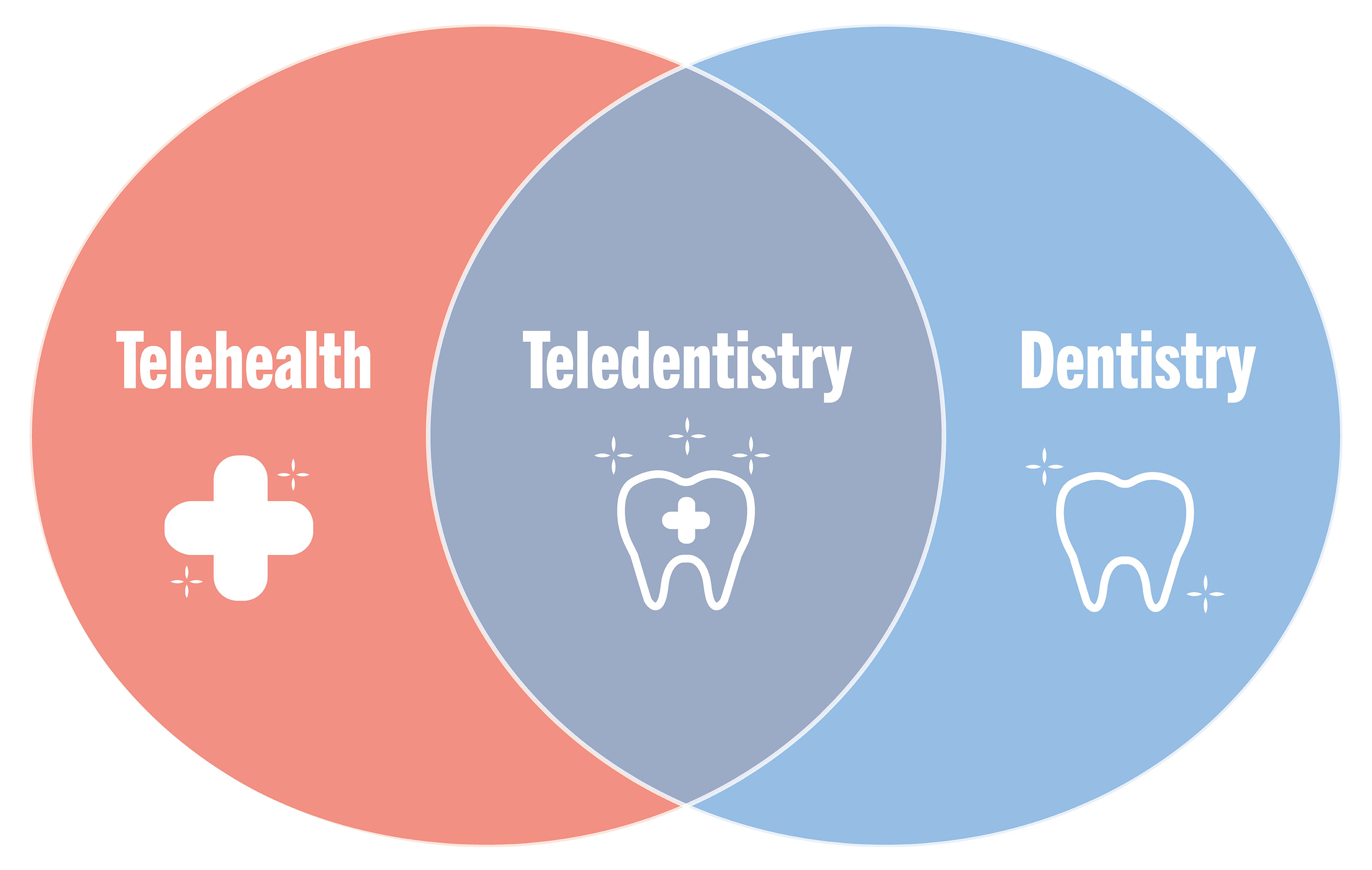
Teledentistry creates another access point: one that can help members begin with licensed dental guidance and a clear next step.

The most effective payer strategies position virtual dental care as a bridge between a member’s immediate concern and the right level of care.
A virtual consultation may help a licensed dentist:
This distinction matters. Teledentistry cannot perform procedures that require direct examination, imaging, anesthesia, or chairside treatment. Instead, it can support the decisions surrounding those services.
For a payer, that means virtual care can function as a front door to the broader oral health ecosystem. Members receive guidance earlier, while in-person providers remain responsible for the procedures and treatment plans that require an office setting.
Learn more about The TeleDentists’ dental services.
Dental pain does not follow office schedules. Members may experience a cracked tooth during a weekend trip, a child may develop oral pain at night, or a patient may be unsure whether facial swelling requires immediate attention.
With 24/7 virtual consultations, members can seek dental guidance when their regular provider is unavailable. This gives benefit leaders a practical way to address after-hours concerns without requiring every dental practice in the network to extend its operating hours.
The goal is not to promise that every issue can be resolved virtually. The goal is to help members determine an appropriate next step sooner: whether that means self-care, a prescription when appropriate, a scheduled dental visit, or immediate in-person treatment.
Dental benefits can be difficult to use when a member does not know where to begin. A directory may list providers, but it does not always answer questions such as:
A virtual dental consultation can help translate a symptom into an actionable care pathway. The member can receive professional guidance before searching for an office, which may make the next step easier to understand.
For brokers, this navigation support can become a meaningful part of the member experience story. Instead of presenting teledentistry as another disconnected benefit, it can be positioned as a convenient way to help members use the benefits and provider resources already available to them.
Members may delay care because they are concerned about cost, time away from work, transportation, or the uncertainty of an office visit. Virtual consultations offer a way to begin addressing a concern from home, work, or another location with an internet-connected device.
The TeleDentists’ direct-to-consumer consultation is $64 for patients without insurance or teledentistry coverage. This is a self-pay price for the direct offering and should not be interpreted as a covered benefit, reimbursement amount, or member cost under a particular insurance plan.
For payer and broker partnerships, pricing, eligibility, member cost-sharing, claims handling, and coverage terms must be established and verified through the applicable agreement and plan design. Clear communication is essential so members understand whether a consultation is included in their benefits or offered as a separate self-pay option.
Geography continues to influence whether patients can obtain timely dental care. Rural communities, dental deserts, patients with transportation limitations, and people who are homebound may face additional obstacles when an in-person dentist is not nearby.
Virtual dental consultations can help create a clinical bridge for these members. A licensed dentist can review the concern remotely, provide education and triage, and help the member understand what type of in-person treatment may be necessary.
This can be particularly useful when local access to dental specialists is limited. A virtual consultation does not eliminate the need for local dentistry, but it can help a member make a more informed decision about when and where to seek it.

The value of teledentistry depends on how well it fits into a payer’s existing member experience and care navigation strategy. Potential partner benefits include:
Payers can offer a clear starting point for urgent dental questions, including evenings, weekends, and holidays. Access through mobile, web, phone, or video can help meet members where they are.
Virtual dentists can help evaluate reported symptoms and guide members toward an appropriate next step. This may include routine follow-up, a local dental referral, or urgent in-person evaluation.
When an issue requires hands-on treatment, The TeleDentists can provide treatment guidance and referrals to local dental professionals. Payers and benefits leaders can establish referral expectations that align with their network, geographic coverage, and member support processes.
Dental concerns frequently appear in broader healthcare settings, especially when members are unsure where to seek help. Teledentistry can complement access points such as emergency departments, urgent care, and primary care clinics by providing licensed dental expertise and directing members toward appropriate dental follow-up.
Brokers can use teledentistry to explain how members can seek guidance before a problem becomes more confusing or disruptive. Educational materials can include examples of appropriate use, limitations of virtual care, emergency warning signs, and instructions for accessing local treatment.
Before adding or promoting a teledentistry solution, payers and brokers should evaluate several operational and clinical questions:
Who is eligible?
Define whether access is available to all members, selected groups, dependents, employer populations, or medical-plan members with dental needs.
How will members access the service?
Determine whether the experience will be linked through a member portal, benefits guide, mobile application, call center, or another channel.
How will coverage be explained?
Clearly distinguish covered services, applicable cost-sharing, self-pay options, and any limitations. Coverage should be verified rather than assumed.
How will referrals work?
Establish how members will receive local follow-up recommendations and whether referrals should prioritize participating providers.
What concerns are appropriate for virtual care?
Provide guidance on urgent symptoms, routine questions, pediatric concerns, second opinions, and situations that require immediate in-person evaluation.
How will performance be evaluated?
Define measures that are appropriate for the partnership, such as member engagement, access experience, referral completion, service satisfaction, or other agreed-upon metrics. Avoid assuming utilization, savings, or clinical outcomes before they have been measured.
A thoughtful implementation process helps ensure that teledentistry adds access without creating another disconnected point solution.
The TeleDentists is designed to help patients access licensed dental professionals from home or another convenient location. The service supports urgent dental concerns, routine consultations, pediatric guidance, treatment recommendations, prescriptions when appropriate, and referrals when in-person care is needed.
For payer and broker organizations, the opportunity is to offer members a practical clinical bridge: one that supports immediate questions while respecting the essential role of local dentists, specialists, and established provider networks.
The TeleDentists also wholesales its services to organizations including healthcare payers, telehealth companies, hospitals, emergency departments, urgent care organizations, and other partners. Explore the business solutions available through The TeleDentists.
Members do not always need another directory, form, or phone tree. Sometimes they need a licensed dentist to help them understand what is happening and what to do next.
Teledentistry can give payers and brokers a flexible way to support after-hours concerns, rural access, affordability questions, dental triage, and member navigation: while directing patients to in-person dentistry when clinical treatment requires it.
To discuss a payer, broker, employer-benefits, or healthcare partnership with The TeleDentists, contact our team or visit www.theteledentists.com.
Teledentistry for insurance payers is the use of virtual dental consultations to help eligible members receive dental guidance, triage, treatment recommendations, and care navigation. It can complement a payer’s existing provider network and direct members to in-person care when needed.
The TeleDentists’ licensed dentists may prescribe medication when clinically appropriate and permitted. Prescribing decisions depend on the patient’s condition, clinical evaluation, applicable laws, and professional judgment.
The $64 consultation is The TeleDentists’ direct-to-consumer offering for patients without insurance or teledentistry coverage. It does not establish coverage or reimbursement for an insured member. Member eligibility and cost-sharing must be verified under the applicable plan or partnership agreement.
No. Teledentistry complements in-person dentistry. Virtual dentists can provide guidance, triage, and referrals, while examinations, imaging, procedures, and treatments requiring direct care must be completed by an in-person dental professional.


