
September 22, 2026
URL slug: /teledentistry/correctional-facilities
Correctional healthcare teams manage dental needs in an environment where access, security, staffing, and timing are closely connected. A patient may develop severe tooth pain after the onsite dental clinic has closed. A facility may have limited access to dental professionals, while transporting someone offsite requires coordination among custody staff, medical personnel, transportation providers, and outside clinicians. Even routine dental concerns can become operationally complex when care is interrupted by transfers, release, or changes in facility location.
Teledentistry offers a practical clinical bridge. It does not replace onsite dental treatment or emergency services. Instead, it gives correctional healthcare administrators, medical directors, facility operators, and contracted care teams another way to provide timely dental guidance, triage urgent concerns, coordinate medications when appropriate, and identify when in-person treatment or referral is needed.
Oral health concerns are common across the broader population, and justice-involved individuals may face additional barriers to timely dental care. Limited onsite availability, transportation requirements, staffing constraints, and fragmented records can make it difficult to address dental pain before it escalates.
Correctional healthcare standards recognize telehealth: including dental care: as an option when clinically appropriate. The National Commission on Correctional Health Care’s telehealth position statement emphasizes the importance of written policies, privacy, informed consent, clinical appropriateness, and equitable access.
For facilities, the central question is not simply how to add another technology platform. It is how to create a dependable access point for dental concerns that complements existing medical, dental, custody, and referral protocols.
The TeleDentists provides 24/7 virtual dental consultations through video-enabled devices. In supported locations and workflows, patients may connect with a licensed dentist in under 10 minutes. Availability and response times can vary by jurisdiction, platform access, clinical demand, and facility implementation.
A correctional healthcare program may use virtual dental care for:
The service is designed to complement, not override, facility procedures. Correctional healthcare leaders remain responsible for determining how virtual dental consultations fit within medical clearance, consent, privacy, medication, documentation, and security policies.
Explore The TeleDentists’ dental services
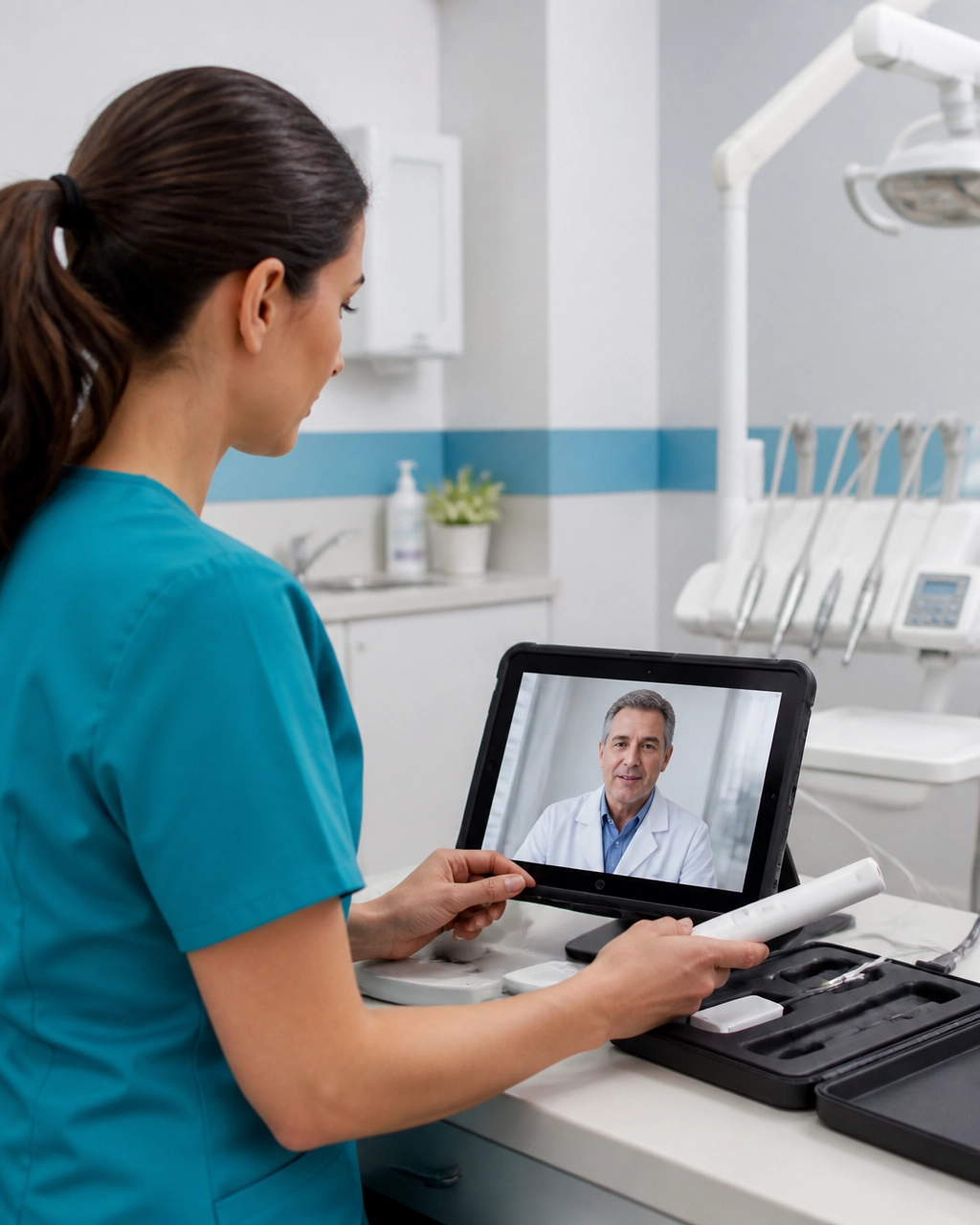
Many facilities do not have a dentist onsite every day or around the clock. A virtual consultation can provide an additional layer of dental access between scheduled clinics.
This is particularly useful for initial assessment. A licensed dentist can gather a history, review visible symptoms, ask focused questions, and provide care guidance. The consultation may help the facility determine whether the concern is urgent, suitable for follow-up, or likely to require an outside appointment.
Dental pain rarely follows a facility’s clinic schedule. Waiting until the next available appointment may leave patients uncomfortable and create additional demands for nursing or medical staff.
A 24/7 virtual dental consultation gives the care team a structured way to evaluate after-hours complaints. The dentist may recommend supportive care, identify warning signs, discuss medication options when permitted, and advise whether the patient needs prompt in-person attention.
This does not mean every after-hours concern can be resolved virtually. It means the facility has access to licensed dental input while following its established escalation process.
Offsite dental care can involve transportation planning, custody coverage, appointment availability, communication with an outside provider, and return-to-facility coordination. These requirements can be especially challenging for urgent complaints that arise outside normal business hours.
Teledentistry may help the clinical team clarify the level of urgency before arranging outside care. A remote consultation can support decision-making about whether a concern requires immediate escalation, an appointment with a local dentist, or interim care and monitoring.
Facilities should not treat virtual consultation as an automatic substitute for transportation. The appropriate decision depends on the patient’s symptoms, examination limitations, available equipment, provider recommendations, and facility policy.
Medication recommendations in correctional settings require careful coordination. A virtual dentist may prescribe when clinically appropriate and permitted, but the facility must still apply its own rules for formulary review, pharmacy communication, medication administration, allergies, contraindications, and documentation.
Before implementation, leaders should define:
The TeleDentists can provide clinical recommendations within the scope of the consultation. Facility teams remain responsible for applying local medication protocols.
Continuity is one of the most important considerations in correctional healthcare. Patients may transfer between facilities, move from jail to prison, return to the community, or transition to a local provider after release. Without consistent documentation, dental concerns can be reassessed repeatedly while important history or recommendations are lost.
A virtual dental workflow should include a clear process for incorporating consultation notes into the patient’s health record. Documentation may include:
The goal is not to create a separate record that exists outside the facility’s clinical system. The goal is to support the existing record and make the next step easier for the care team to identify.
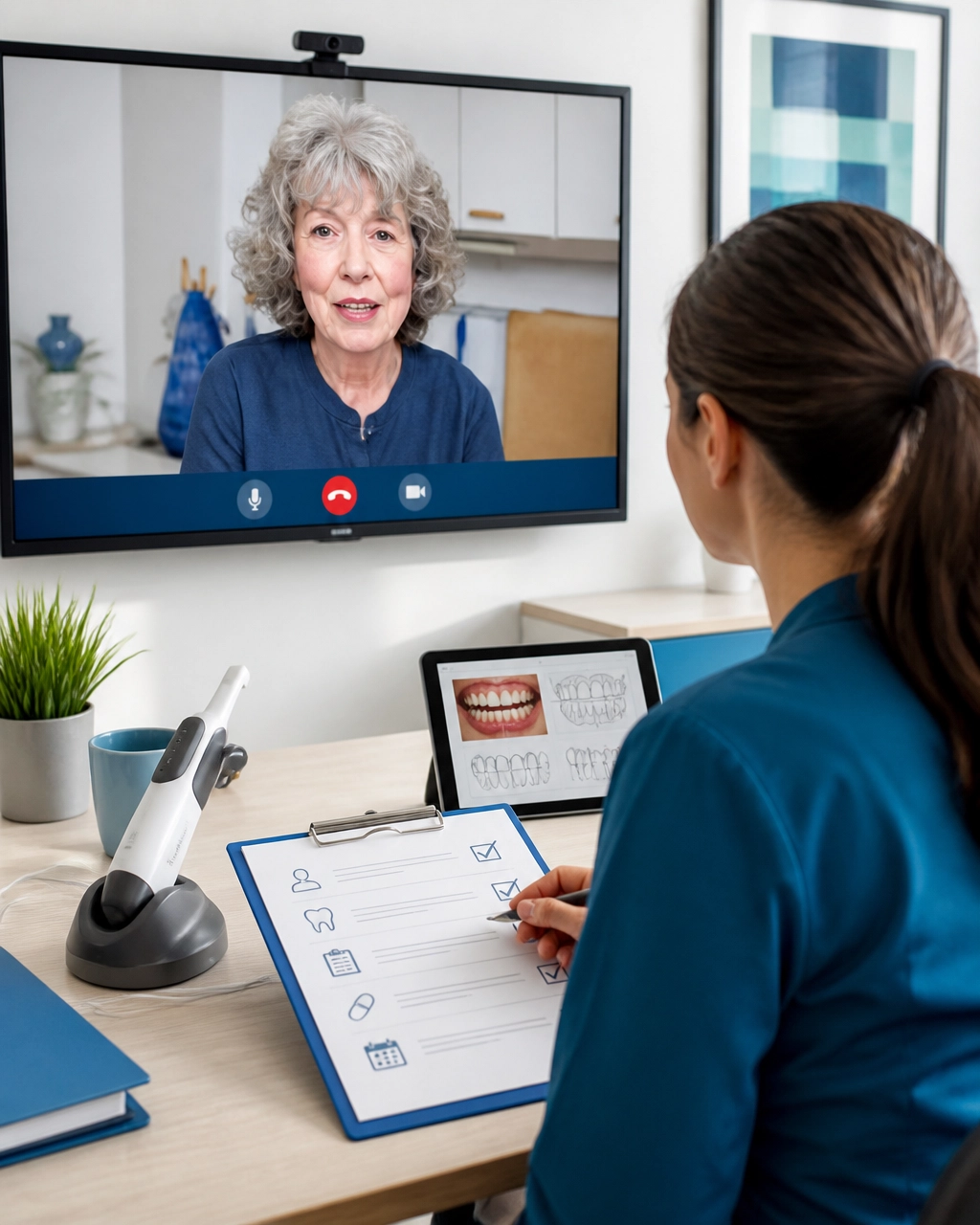
A successful correctional teledentistry program begins with workflow design. Before launch, administrators and medical directors should evaluate:
The facility needs an approved device with a camera, microphone, reliable internet access, and a location appropriate for a private clinical interaction. Some facilities may also consider an intraoral camera or other tools that help staff capture relevant images, subject to training and policy.
Consultations should take place in a setting that protects confidential communication while meeting custody and safety requirements. Policies should address patient privacy, staff presence, device access, recording restrictions, identity verification, and secure handling of images and notes.
The Council of State Governments Justice Center implementation guidance outlines broader considerations for implementing telehealth in correctional environments, including infrastructure, privacy, and staff processes.
Facilities should identify who will:
Clearly assigned responsibilities help prevent virtual care from becoming an additional task without an accountable owner.
Every implementation should include a defined escalation pathway. Facial or neck swelling that may affect the airway, uncontrolled bleeding, severe trauma, fever with signs of infection, altered mental status, difficulty breathing or swallowing, and other serious symptoms may require immediate in-person emergency evaluation.
Virtual dental care should never delay emergency medical treatment. When a dentist determines that hands-on care, imaging, a procedure, or hospital evaluation is necessary, the facility’s established emergency and transportation protocols remain in effect.
Teledentistry is best suited for assessment, education, triage, care guidance, follow-up, and referral support. A remote dentist cannot perform a filling, extraction, drainage procedure, periodontal treatment, radiograph, or comprehensive hands-on examination through a video call.
The quality of a virtual consultation may also be affected by lighting, camera quality, connectivity, patient ability to communicate symptoms, availability of staff assistance, and access to prior dental records. A virtual recommendation is based on the information available during the encounter and may need to be updated after an in-person examination.
Facilities should communicate these limitations clearly to patients and care teams. Appropriate expectations improve trust and help ensure that virtual care is used for the right clinical purpose.
For correctional facilities, teledentistry is not about replacing the dental clinic. It is about creating a reliable clinical bridge when onsite access is limited, dental pain occurs after hours, or the next step in care is unclear.
The TeleDentists can help organizations explore a virtual dental access model that aligns with facility protocols, staffing, documentation practices, medication procedures, security requirements, and local referral networks. Program design should be tailored to the facility’s population, technology, jurisdiction, and clinical capabilities.
Contact The TeleDentists to discuss how 24/7 virtual dental consultations, dental triage, care guidance, permitted medication coordination, referrals, and care navigation may fit your correctional healthcare program.


