
November 3, 2026
URL slug: /teledentistry/childcare-daycare
A child complains of tooth pain during afternoon activities. Another falls on the playground and chips a tooth. A toddler has swollen gums, or a parent asks whether a persistent mouth sore needs attention.
For childcare centers, daycare operators, early childhood programs, and family-support organizations, these situations can create immediate uncertainty. Staff must comfort the child, follow safety procedures, communicate with the parent or guardian, and determine whether the concern requires urgent dental or medical care. Yet pediatric dental offices may be closed, difficult to reach, or unavailable for same-day advice.
Teledentistry can provide a clinical bridge. With the appropriate parental or guardian consent, childcare teams can help families connect with licensed dentists virtually for guidance, triage, care navigation, and next-step recommendations.
Teledentistry does not replace a pediatric dental examination, radiographs, in-person treatment, or emergency medical care. Instead, it gives families and childcare professionals an additional access point when timely dental advice is difficult to obtain.
Young children may not be able to explain where they hurt or how severe the pain is. They may cry, refuse food, act unusually tired, or become irritable without clearly identifying a dental problem. Staff may notice a symptom but feel unsure whether it represents normal teething, a minor injury, tooth decay, or a condition requiring same-day treatment.
Common concerns in childcare environments include:
The American Academy of Pediatric Dentistry’s policy on teledentistry recognizes virtual care as an adjunct to in-person pediatric dental care. It also identifies teledentistry as a useful tool for timely assessment and triage of traumatic injuries and for improving access when local care is limited.
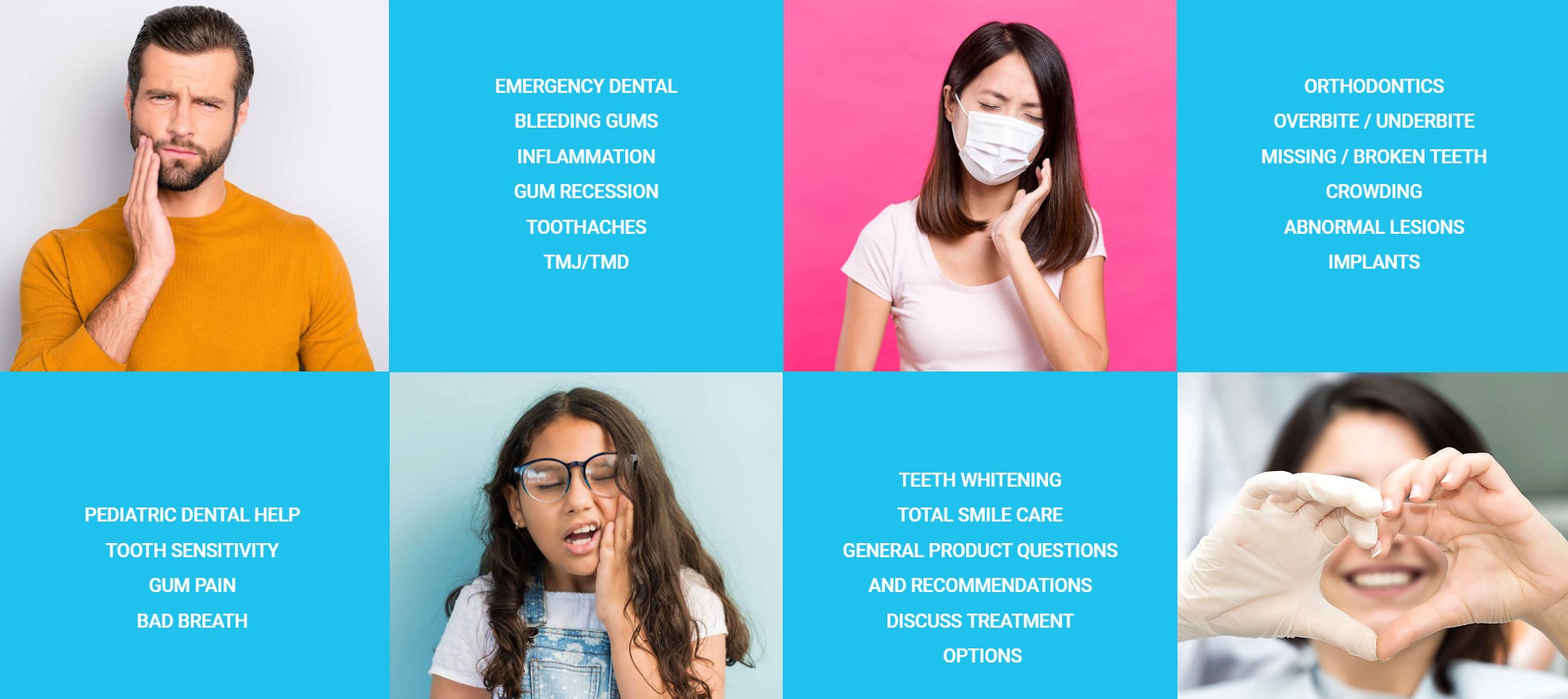
The TeleDentists provides 24/7 virtual dental consultations through video, phone, mobile devices, and web platforms. When available and supported for the patient’s location and circumstances, families may connect with a licensed dentist in under 10 minutes.
For childcare organizations, this access can help staff and families make more informed decisions without asking caregivers to diagnose or manage dental conditions themselves.
A virtual consultation may help with:
After staff provide appropriate first aid and notify the parent or guardian, a dentist may review the child’s symptoms, the mechanism of injury, and images or video when appropriate. The dentist can help determine whether the child needs emergency medical care, a same-day dental visit, a next-day appointment, or monitoring with follow-up instructions.
A dentist can discuss the child’s symptoms with the parent or guardian, identify warning signs, recommend appropriate next steps, and determine whether medication may be appropriate. Prescriptions may be provided when clinically appropriate and permitted by applicable laws and regulations.
Not every mouth sore requires emergency treatment, but persistent, painful, or unusual symptoms deserve professional attention. A virtual dentist can provide age-appropriate guidance and help the family understand when an in-person dental or medical evaluation is needed.
Teething can cause discomfort and changes in a young child’s behavior. A dentist can help parents distinguish common teething concerns from symptoms that may point to another issue, such as an eruption-related concern, trauma, infection, or a separate medical condition.
When a child needs an in-person examination or treatment, The TeleDentists can provide referrals and help families identify appropriate local care. This is especially valuable for families who do not have an established pediatric dentist, live in a rural area, or need help finding care outside normal office hours.
Every program should adapt its process to its licensing requirements, governing policies, staffing model, and local regulations. A written protocol can help staff respond consistently.
Before arranging a virtual dental consultation, assess the child’s overall condition and follow the center’s emergency procedures.
Call emergency services or seek immediate medical care for signs such as:
Teledentistry should never delay emergency medical evaluation.
Contact the parent or guardian as soon as reasonably possible. Explain what staff observed, what happened, what first aid was provided, and how the child is behaving now.
The parent or guardian should remain involved in clinical decision-making and, when possible, participate directly in the virtual consultation.
Childcare staff should not initiate a dental consultation without following the program’s consent requirements. Programs may choose to include teledentistry authorization in enrollment materials, but situation-specific confirmation may also be appropriate before each consultation.
Consent procedures should clearly explain:
Programs should consult their legal, compliance, and licensing advisors regarding consent, privacy, recordkeeping, and applicable state requirements.
Staff can help the parent or guardian prepare a concise summary, including:
If images are requested, use only approved devices and secure systems. Do not store or transmit a child’s health information through personal messaging apps or unauthorized channels.

Teledentistry works best when it is integrated into a broader safeguarding framework. Staff members are responsible for observing, comforting, documenting, communicating, and escalating: not diagnosing or prescribing.
A center’s policy should identify:
The child’s privacy and dignity should remain central. Whenever possible, conduct the consultation in a quiet, private area with the parent or guardian present. Use child-friendly language, avoid unnecessary photographs, and follow the dental provider’s instructions for secure information sharing.
A relationship with a virtual dental provider can offer practical benefits beyond a single urgent concern.
Clear escalation procedures and access to professional guidance can reduce uncertainty when a child experiences oral pain or an injury.
Families receive information from a licensed dental professional rather than relying solely on informal online advice or waiting for a callback from an unavailable office.
Because dental concerns do not follow business schedules, 24/7 availability can help families address questions during evenings, weekends, holidays, and other challenging times.
Virtual consultations may reduce transportation, scheduling, and cost barriers. The TeleDentists offers consultations for $64 when not covered by insurance or another program, while coverage and out-of-pocket costs can vary.
Virtual dental triage may help families understand whether a concern is best addressed through a dental office, primary care setting, urgent care, emergency department, or routine follow-up. It does not eliminate the need for emergency care when red flags are present.
Organizations interested in a broader partnership can explore The TeleDentists’ services for businesses, which are designed for healthcare organizations, payors, hospitals, urgent care settings, and other partners.
Childcare and daycare leaders can take several steps before an incident occurs:
The TeleDentists can be part of that preparation by giving families a convenient way to reach licensed dental professionals when a regular dentist is unavailable.
For childcare organizations, the value of teledentistry is not that it makes every dental problem virtual. Its value is that it helps connect a child and family to professional guidance at the moment uncertainty begins.
A licensed dentist may help assess the concern, provide age-appropriate recommendations, identify red flags, prescribe medication when appropriate, recommend follow-up, or refer the child to local care. In-person examinations, dental imaging, restorative treatment, trauma care, and emergency medical services remain essential when the situation requires them.
To learn how The TeleDentists can support your childcare center, daycare network, early childhood program, or family-support organization, visit The TeleDentists or contact our team. Give your staff and the families you serve a reliable next step for dental concerns: day or night.


