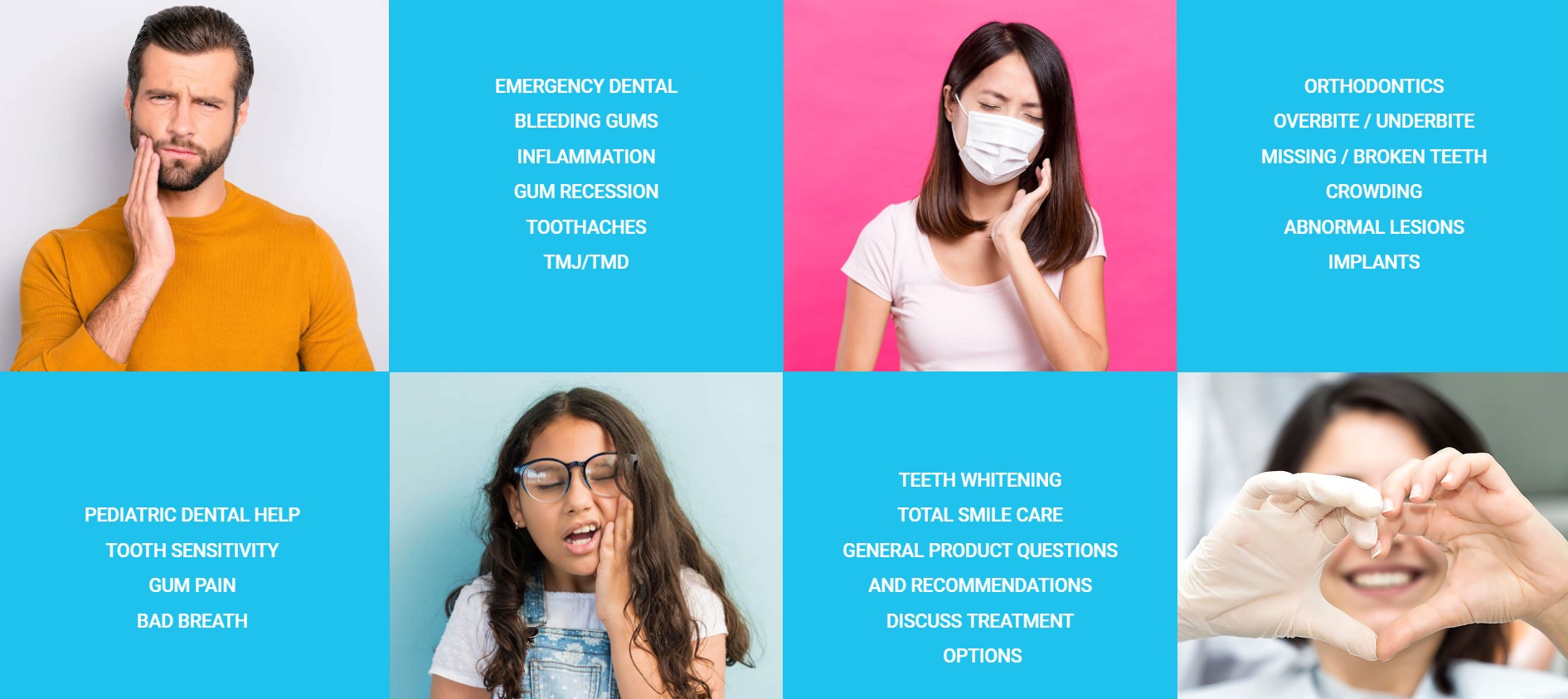
For hospital administrators and Emergency Room (ER) directors, the challenge is constant: manage patient flow, reduce wait times, and ensure that every bed is occupied by someone who truly needs acute medical intervention. However, there is a systemic leak in this efficiency: a "hidden" patient population that costs the healthcare system nearly $2 billion annually while receiving little to no definitive care.
That population consists of patients seeking help for dental emergencies.
According to the American Dental Association, approximately every 15 seconds, a patient walks into an ER with a dental complaint. In many facilities, these patients represent a significant portion of non-traumatic visits, yet most hospitals are fundamentally unequipped to treat them. This is where the integration of a top-rated teledentistry service like The TeleDentists becomes a game-changer for hospital operations.
The ER is designed for trauma, cardiac events, and acute medical crises. It is rarely designed for a periapical abscess or a fractured molar. Despite this, patients flood the ER for dental pain because they lack a primary dentist, experience pain after hours, or believe the hospital is their only option for immediate relief.
For the ER director, these patients present several unique problems:
From a financial perspective, dental visits are often "low-value" for the hospital. They consume triage resources, nursing time, and physical bed space without the possibility of a high-reimbursement procedure. Furthermore, avoiding the ER for dental emergencies is now a priority for payers and value-based care organizations.
When a patient occupies an ER bed for three hours only to receive a script for Amoxicillin, the hospital loses the opportunity to treat a high-acuity patient. By implementing an on-demand virtual dental solution, hospitals can pivot from being a dead-end for dental patients to becoming a gateway for definitive care.
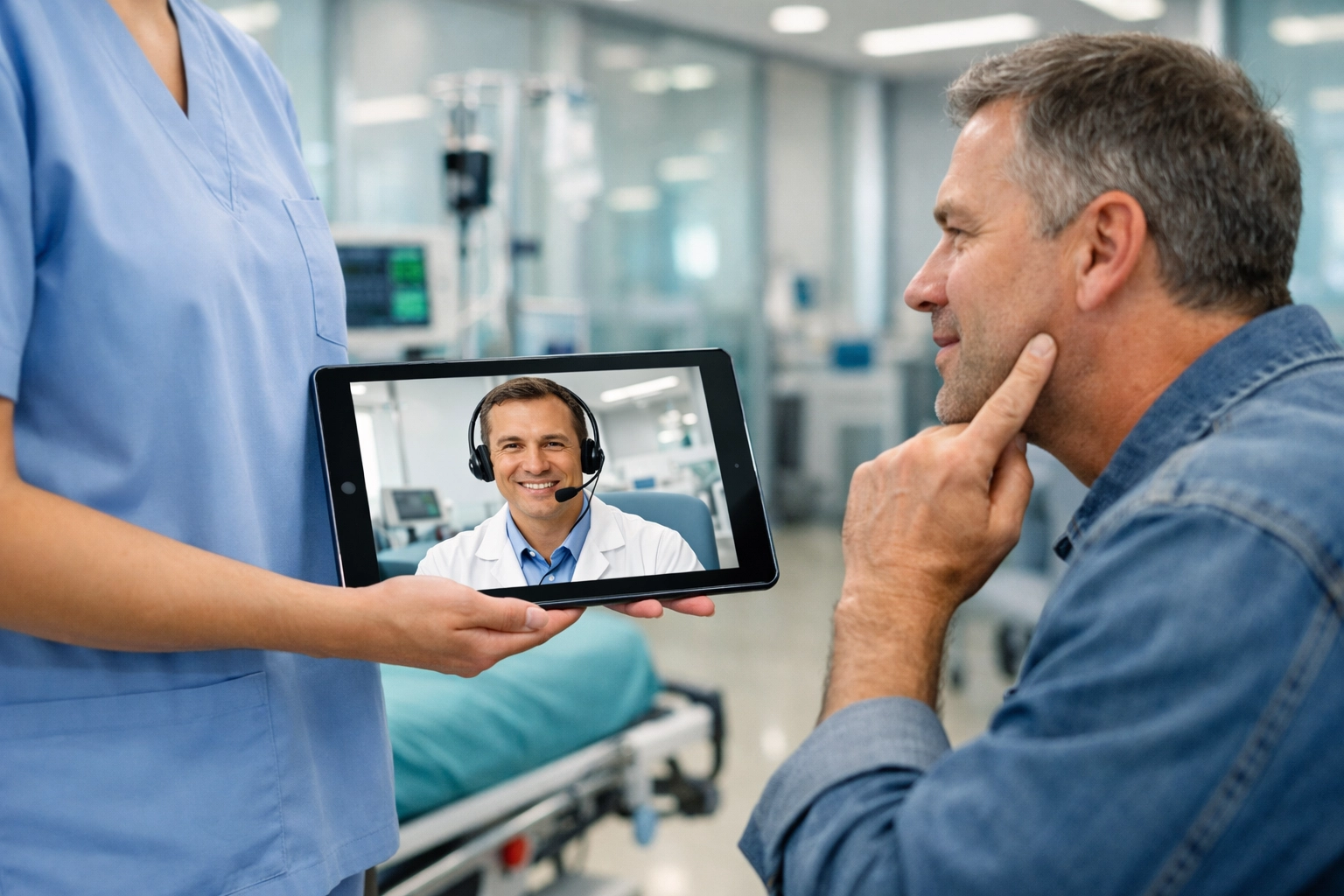
As the top-rated teledentistry service in the nation, The TeleDentists provides a seamless bridge between the medical ER and the dental office. Our platform allows ER staff to connect patients with a board-certified dentist via a secure video link in minutes.
Imagine a patient arrives at 2:00 AM with severe jaw swelling. Instead of the ER physician guessing the source of the infection, they utilize a tablet or hospital computer to initiate a consultation with The TeleDentists.
Hospital administrators are under immense pressure to improve HCAHPS scores and patient satisfaction. A patient who waits six hours in an ER only to be told "we don't do teeth" is a patient who will give a negative review.
By offering a virtual dental consult, the hospital provides a tangible service. The patient feels heard, they receive expert advice from a specialist, and they leave with a clear plan of action. This drastically improves the perceived quality of care.
Furthermore, virtual triage significantly improves "Door-to-Provider" times. If a dental patient can be triaged and handled virtually in a designated "fast track" area or even in the waiting room, they never have to occupy a high-acuity bed.
ERs are often targets for drug-seeking behavior, and dental pain is a common "reason for visit" used to obtain opioids. ER physicians, wanting to provide relief but unable to fix the tooth, may feel pressured to prescribe.
The TeleDentists helps hospitals adhere to strict antibiotic and opioid stewardship programs. Our dentists follow evidence-based guidelines for dental infections. By providing a professional dental evaluation, the ER can confidently move away from unnecessary narcotic prescriptions, knowing that a specialist has evaluated the patient and provided an appropriate non-narcotic pain management plan or a targeted antibiotic.

One of the biggest hurdles for hospital directors is the "IT lift" required to implement new technology. The TeleDentists has simplified this process. Our service can be integrated into existing hospital portals, or accessed via standalone tablets and kiosks.
We are already working with major health plans and provider networks, including Aetna and Empire, to ensure that the transition to virtual dental care is supported by the broader healthcare ecosystem. Whether you are a small rural hospital or a large urban trauma center, our dental services for doctors and hospitals are designed to be turnkey.
As we move further into teledentistry in 2025 and beyond, the distinction between "medical" and "dental" care will continue to blur. Hospitals that recognize this shift early will be the ones that see the greatest improvements in efficiency and patient outcomes.
Using AI in oral health and virtual triage is no longer a futuristic concept: it is a necessity for the modern, over-burdened Emergency Department. It allows ER physicians to practice at the top of their license while leaving the specialized world of oral health to the experts.
The ER crisis won’t be solved by building more beds; it will be solved by smarter triage and the diversion of non-emergent cases to the right specialists. The TeleDentists provides the expertise, the technology, and the 24/7 availability to ensure that dental patients get the care they need without compromising the efficiency of your hospital.
Stop the cycle of "treat and street." Give your ER staff the support they need and your patients the specialty care they deserve.
Ready to reduce your ER wait times and improve dental triage?
Contact our President, Leah Sigler, at leahs@theteledentists.com to discuss how we can integrate the top-rated teledentistry service into your hospital system today. For more information on our business solutions, visit our Business Services page.