
November 19, 2026
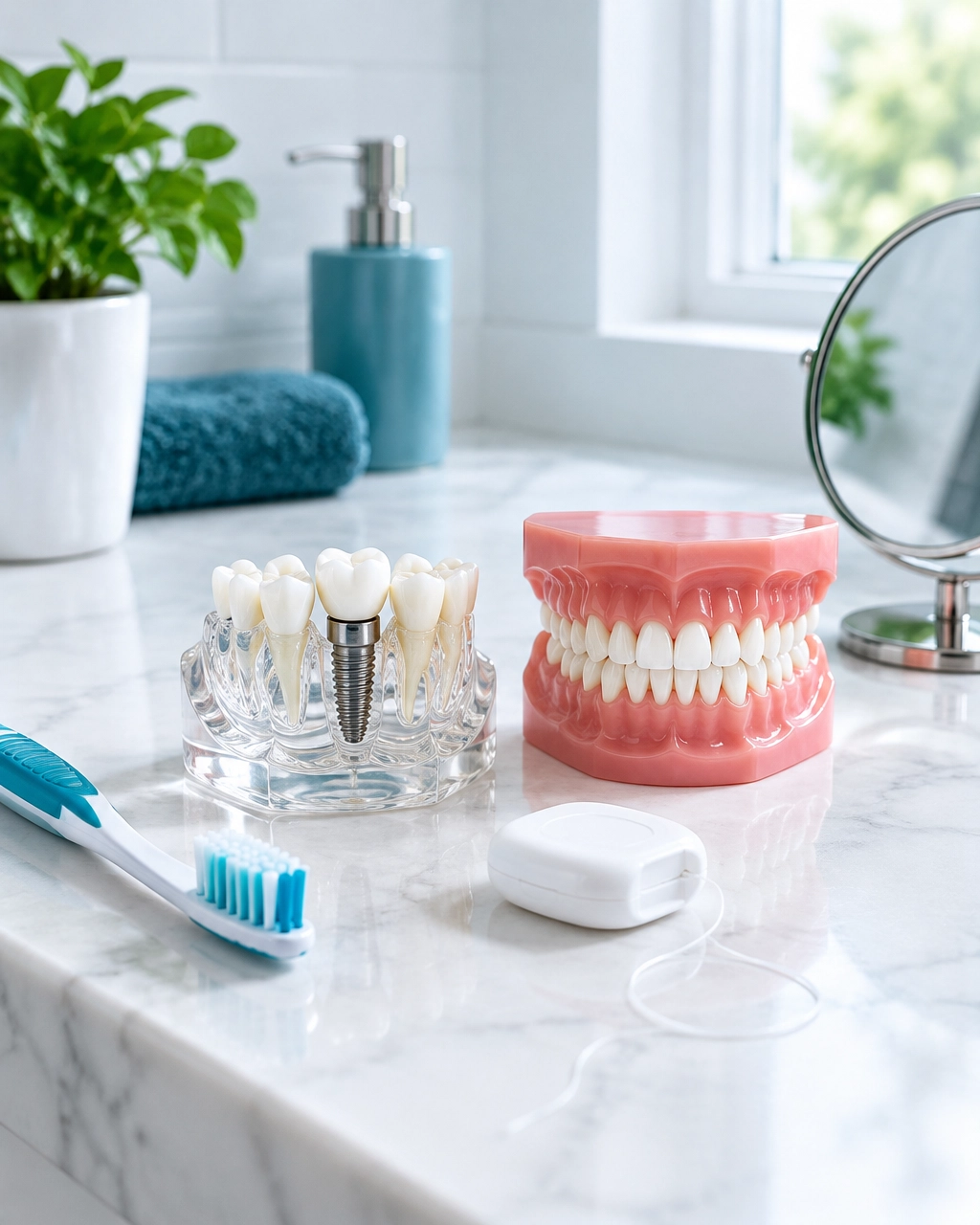
On Thursday, November 19, the Great American Smokeout invites people to take a step toward quitting tobacco. It’s also a timely moment to think about what smoking and vaping can mean for your gums, dental healing, and plans for implants.
And because this edition lands just before Thanksgiving, there’s another practical concern: dental offices may have limited holiday hours just as people begin traveling. If a tooth starts hurting, should you head to the emergency room, or connect with an online dentist first?
For many dental problems that are urgent but not life-threatening, a virtual consultation can be a faster, lower-cost first step. It cannot replace emergency medical care or in-person dental treatment, but it can help you understand what to do next.
The TeleDentists’ self-pay consultation is $64 when a patient does not have insurance or teledentistry coverage. By comparison, the American Dental Association reports an average of approximately $749 for a dental-related emergency department visit when the patient is not hospitalized. The ADA also notes that these visits can range from about $400 to $1,500.
That $749 figure is a reported average, not a quote or a prediction of what any particular ER will charge. Your actual bill depends on where you receive care, what services are provided, your insurance, and whether you are admitted. An emergency department may assess urgent symptoms and provide appropriate medical care, but it typically does not perform definitive dental work such as a root canal, extraction, or permanent restoration. You may still need to see a dentist afterward.
| Consideration | $64 virtual dental consultation | Emergency department |
|---|---|---|
| Best suited for | Dental guidance, triage, and next-step recommendations when you are stable | Potentially serious symptoms or conditions needing emergency medical evaluation |
| Access | The TeleDentists is available 24/7, with a dentist typically joining within 10 minutes | Access and wait times vary by location and urgency |
| What it can provide | A conversation with a licensed dentist, assessment of visible concerns, self-care advice, and referral guidance | Medical evaluation and treatment within the ER’s capabilities |
| What it cannot do | Take dental X-rays or perform an in-person procedure | Usually cannot provide definitive dental procedures |
| Cost context | $64 self-pay if you do not have coverage | ADA-cited average of about $749 for non-hospitalized dental-related visits |
The comparison isn’t “virtual care versus emergency care for everything.” It’s about choosing an appropriate first stop. When symptoms are stable and a dentist’s office is closed, virtual care can help bridge the gap, especially during holiday travel or in areas with limited local dental access.
Smoking is associated with gum disease, gum recession, tooth staining, and impaired healing after periodontal treatment, according to the American Dental Association. These effects matter whether you’re dealing with an irritated gumline or planning treatment that relies on healthy tissue healing well.
Vaping is not risk-free for oral health, either. The FDA says research is still developing, but e-cigarette use may negatively affect oral health. Aerosols can stick to gums, teeth, and dental implants, potentially making it easier for bacteria to attach. Vaping may also be associated with dry mouth, irritation, or discomfort.
Implants deserve particular attention. Smoking is recognized as a risk factor that can affect healing and implant outcomes, though an individual’s chances depend on many factors. If you smoke or vape and are considering an implant, or have recently had implant surgery, tell your dentist. They can discuss your specific health history, timing, and ways to support healing. Quitting can be a meaningful step for oral health, but it does not guarantee a particular treatment result.
The Smokeout can be a starting point, not a one-day test of willpower. For support with quitting, the ADA lists the national quitline 1-800-QUIT-NOW and additional resources on its tobacco cessation page. A dental or medical professional can also help you discuss cessation options that fit your situation.
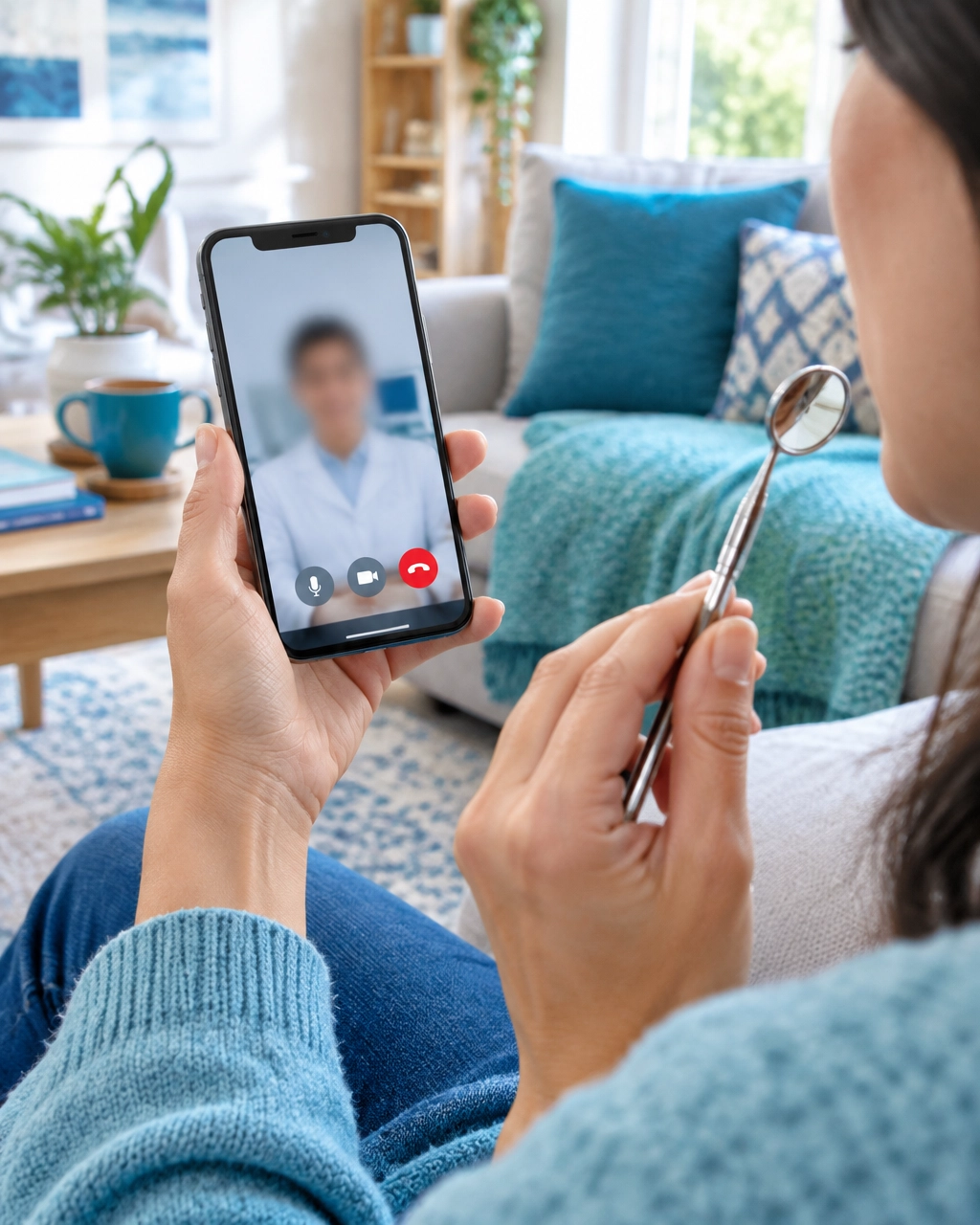
A virtual dentist can ask about your symptoms, how long they have been present, and whether they are getting worse. With your camera, they may be able to look at visible areas of your teeth, gums, and mouth while you describe what you’re experiencing. If helpful, you can show a clear photo or adjust your lighting and camera angle.
That conversation may help assess concerns such as tooth pain, sensitivity, gum irritation or bleeding, a chipped tooth, a lost filling, or discomfort around a dental implant. A dentist can discuss possible causes, provide self-care guidance, and recommend whether you need prompt in-person care. When clinically appropriate, The TeleDentists’ dentists may prescribe non-narcotic medication and can help with referrals to local dental offices.
A video call has important limits: it cannot provide dental X-rays, hands-on examination, or treatment such as a filling, drainage, or extraction. A virtual assessment also cannot rule out every serious condition. If the dentist recommends an in-person exam, follow that advice and arrange care promptly.
The TeleDentists offers 24/7 virtual dental consultations by video, mobile app, phone, or web platform. The company is Google top-rated and reports a current NPS of 95. Learn more about virtual dental services, review frequently asked questions, or connect with a dentist online.
Do not wait for an online consultation if you have signs of a potentially serious medical emergency. Seek emergency care for trouble breathing or swallowing, rapidly spreading facial or neck swelling, swelling near the eye, uncontrolled bleeding, major facial trauma, or a high fever with severe illness. If you are unsure whether symptoms are life-threatening, contact emergency services or seek emergency medical care.
For severe tooth pain without those warning signs, a dentist is generally the right professional to treat the underlying dental problem. If your regular office is closed or you’re away from home, a virtual consultation can help you decide how urgently to seek in-person dental care and where to start. Do not rely on antibiotics or pain relief as a substitute for the dental treatment a clinician recommends.
Before traveling, save your dentist’s number, check their holiday hours, and know where you could seek care near your destination. If you already have tooth pain, gum swelling, or a concern about recent dental work, consider asking for advice before you leave rather than hoping it settles during the trip. For an urgent concern after hours, a virtual consultation can provide guidance without requiring you to find an open dental office first.
Year-end benefits are another reason to check your plan now:
A little planning can help you avoid a rushed decision when offices close for the holiday. It can also help you use benefits thoughtfully, but do not delay needed care just to meet a spending deadline.
For a stable dental concern when your dentist is unavailable, a $64 online consultation may be a sensible first step: it offers access to a licensed dentist, triage, and next-step guidance at a price far below the ADA-cited average ER bill. It is not a substitute for definitive in-person treatment, and it is not the right choice for life-threatening symptoms.
This Great American Smokeout, consider one practical step for your oral health: talk with a dental or medical professional about quitting, healing, or an implant concern before holiday travel begins. Book a virtual consultation with The TeleDentists for 24/7 dental guidance, often within 10 minutes. For more guidance, connect with The TeleDentists.


