
Picture this: A second-grader comes to the nurse's office complaining of tooth pain. In the traditional model, the school nurse calls the parents, who then have to leave work, pick up their child, drive to a dental office, sit in a waiting room, and hope they can get a same-day appointment. The student misses half a day of school. The parent misses half a day of work. And the tooth? It might've been something a dentist could've diagnosed and triaged virtually in about 15 minutes.
There's a better way, and schools across the country are catching on.
Dental issues are one of the leading causes of missed school days in the United States. We're not just talking about the occasional cavity, we're talking about millions of lost classroom hours every year because kids need to leave school for dental appointments, emergency visits, or because untreated dental pain is making it impossible to focus.
For schools in rural areas or communities with limited access to dental care, the problem is even worse. Parents may need to drive hours to reach the nearest dentist, turning a simple toothache into an all-day ordeal. And for working parents who can't easily take time off? That dental appointment might get postponed until the pain becomes unbearable, which often means an expensive ER visit instead of a routine dental check-up.
The impact goes beyond attendance records. Students dealing with dental pain struggle to concentrate, participate in class, and keep up with their peers. It's hard to focus on fractions when your tooth is throbbing.

Here's where teledentistry becomes a game-changer for K-12 schools, Head Start programs, and school-based health centers.
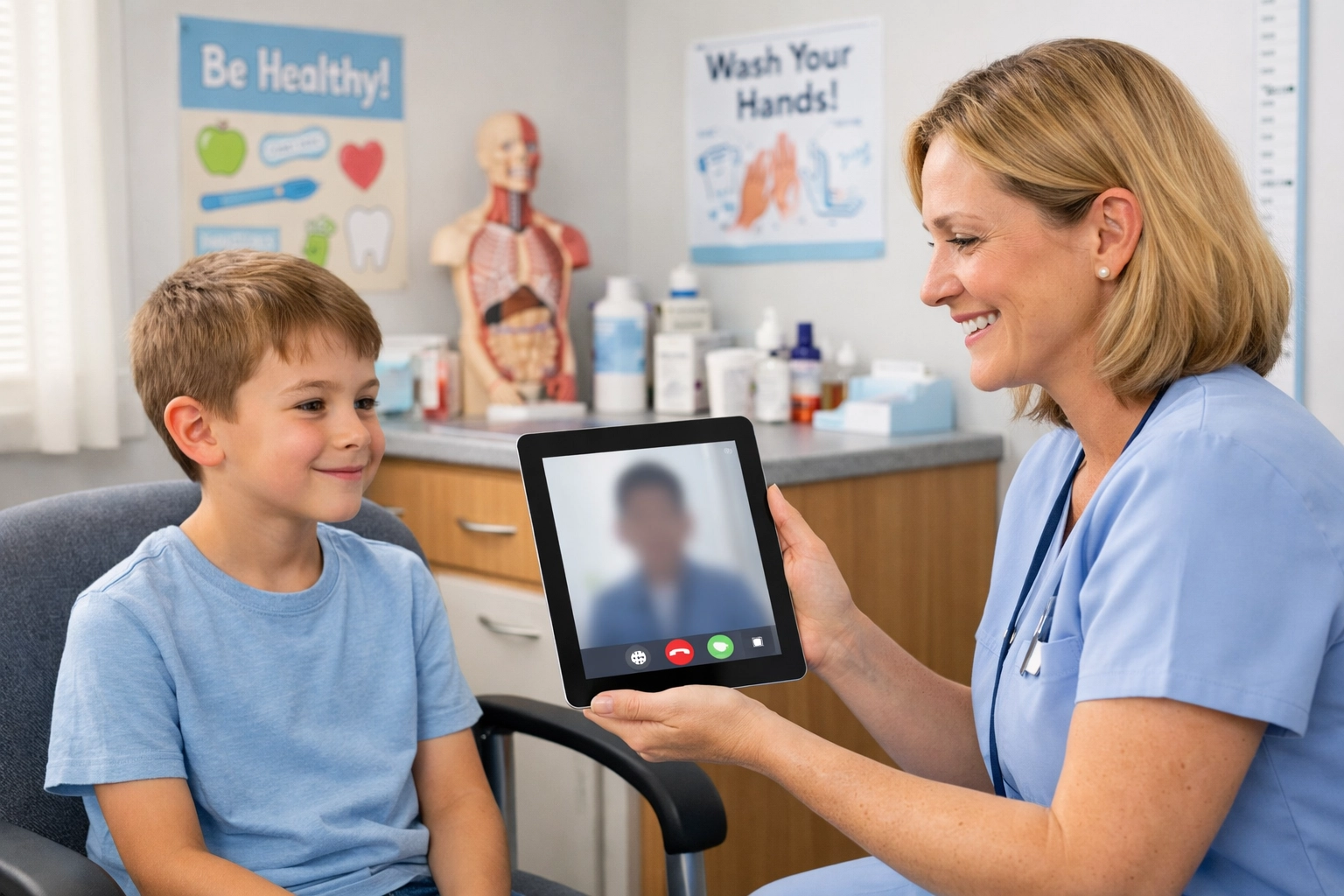
With virtual dental consultations, many dental issues can be assessed and triaged right in the school nurse's office. No parent pickup required. No missed classes. No lost work hours.
Here's how it typically works:
Step 1: A student reports dental pain or discomfort to the school nurse.
Step 2: With parental consent (which can be obtained ahead of time as part of school health forms), the nurse connects with a licensed dentist via a secure video platform.
Step 3: The dentist conducts a virtual examination. In many school-based teledentistry programs, a dental hygienist or trained school nurse can take intraoral photos or even X-rays that are transmitted to the dentist for diagnosis.
Step 4: The dentist provides guidance, whether that's reassurance that it's not urgent, a prescription for antibiotics if needed, or a recommendation for follow-up care with a local dentist.
Step 5: The student returns to class. Parents receive a report and next-step recommendations via email or phone.
The whole process can take 20 minutes instead of 4 hours. And the student? Back in the classroom learning, not sitting in a waiting room.
If you're a school administrator or health coordinator reading this and thinking, "This sounds great in theory, but does it actually work?", the research says yes.
A study tracking 500 children during remote learning found that students who utilized teledentistry maintained better oral health outcomes compared to those who postponed care. Even more impressive? Teledentistry reduced appointment wait times by 60%.
Virtual consultations successfully identified early signs of tooth decay in 9 out of 10 cases, meaning problems were caught before they became emergencies requiring urgent: and expensive: intervention.
School-based teledentistry programs have also been shown to reduce dental-related emergency room visits, which are not only costly but often a sign that preventive care was delayed too long.
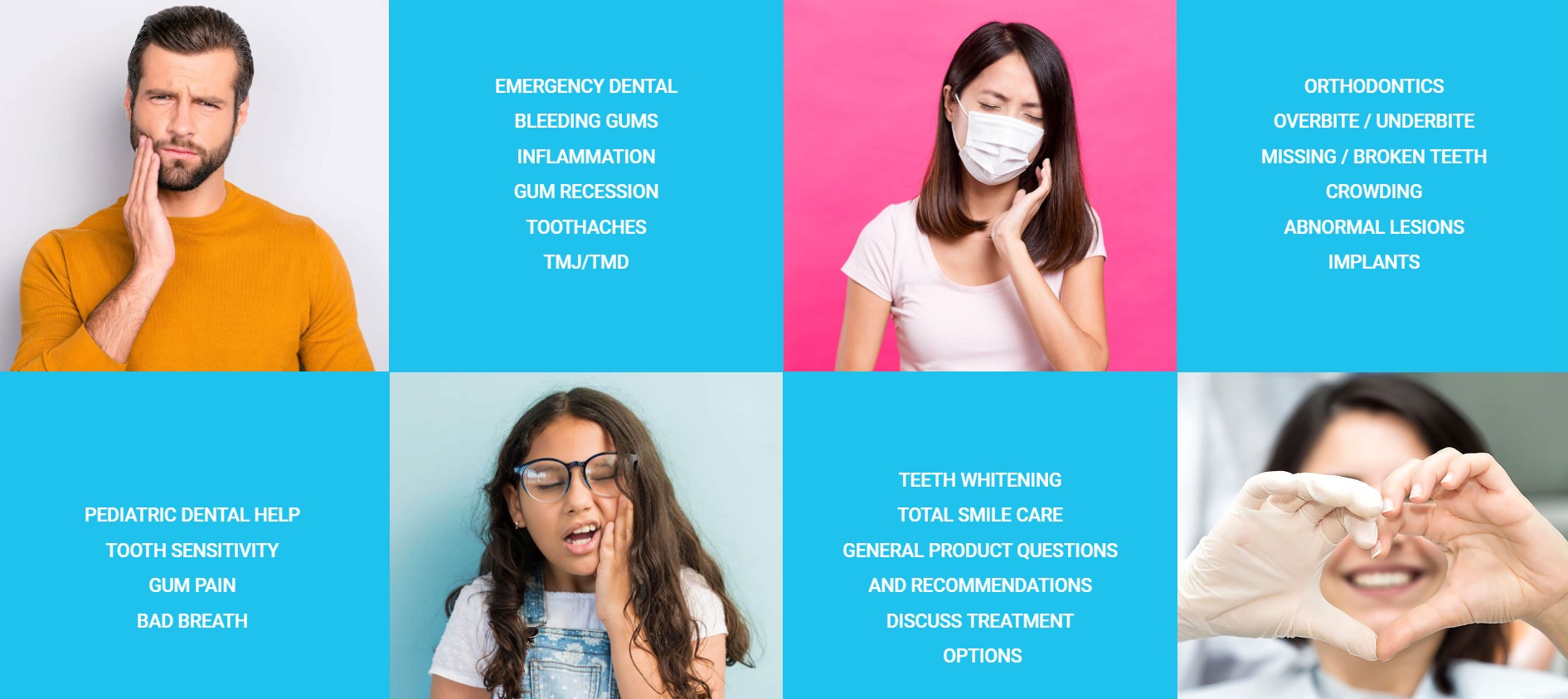
One of the most powerful aspects of school-based teledentistry is how it levels the playing field for students in underserved communities.
Rural schools often struggle to provide adequate dental care because there simply aren't enough dentists nearby. Low-income families may lack transportation or dental insurance, creating barriers that leave dental problems untreated until they become serious.
Teledentistry removes many of these barriers. As long as the school has internet access and basic equipment (which many already have for other telehealth services), students can receive professional dental consultations regardless of where they live or their family's financial situation.
Head Start programs, in particular, have embraced teledentistry as a way to fulfill their comprehensive health requirements while making care accessible to the young children and families they serve.
For schools already operating health clinics or school-based health centers, adding teledentistry is a natural extension of existing services. Many schools have found that integrating virtual dental care alongside other telehealth offerings creates a more comprehensive approach to student wellness.
School nurses become empowered to address dental concerns immediately rather than simply sending students home with a note to "see a dentist." And because many dental issues can be resolved or triaged virtually, schools can reserve in-person dental referrals for cases that truly need them: making better use of limited community dental resources.

If your child's school is considering or implementing a teledentistry program, here's what you should know:
Privacy and security are top priorities. All virtual consultations happen through HIPAA-compliant platforms that protect your child's health information.
You're in control. Schools require parental consent before students can participate in teledentistry programs. You'll receive reports about any consultations and recommendations for follow-up care.
It's not a replacement for regular dental visits. Think of school-based teledentistry as a complement to your child's regular dental care: a way to handle urgent concerns and preventive check-ins between regular cleanings and exams.
Coverage is expanding. Many insurance plans, including Medicaid and CHIP, now cover teledentistry services. Check with your school about insurance acceptance and costs.
School administrators and health coordinators interested in implementing teledentistry programs should consider these key steps:
Assess your needs: How many students currently miss school for dental issues? What barriers do families face in accessing dental care?
Explore partnerships: Look into partnering with established teledentistry providers who have experience working with schools.
Plan the logistics: Determine where virtual consultations will take place (nurse's office, dedicated health room) and what equipment you'll need.
Communicate with families: Share information about the program with parents, address concerns, and collect consent forms.
Train staff: Ensure your school nurse and health team are comfortable facilitating virtual dental consultations.
Measure outcomes: Track attendance impacts, parent satisfaction, and health outcomes to demonstrate the program's value.
The COVID-19 pandemic accelerated the adoption of telehealth across all areas of medicine, including dentistry. What started as a necessity has proven to be an innovation that makes sense long-term: especially in school settings where keeping students healthy, safe, and in the classroom is the top priority.
Teledentistry in 2025 continues to evolve with better technology, broader insurance coverage, and growing acceptance among families and healthcare providers. For schools, this means more options, better outcomes, and healthier students.
The question isn't whether teledentistry works in schools: the evidence is clear that it does. The question is: when will your school make it available to students who need it?
If you're a school administrator, health coordinator, or decision-maker interested in integrating teledentistry into your school health program, we'd love to talk with you about how The TeleDentists can help.
Our school-based teledentistry solutions are designed to be simple, effective, and sustainable: keeping students in school and healthy without adding unnecessary burden to your staff.
Contact Leah at leahs@theteledentists.com to schedule a consultation and learn how we can customize a teledentistry program for your school or district.
Because every student deserves access to quality dental care: and every missed class matters.


