
August 25, 2026
The first week of school has a way of turning small problems into family-wide emergencies.
A child wakes up with a toothache before the bus arrives. A teenager chips a tooth during soccer practice. A cavity that seemed manageable over the summer suddenly becomes painful late at night. Meanwhile, the family dentist is booked, the pediatric office is closed, and everyone has to be up early the next morning.
For many parents, the question becomes: Should we go to the ER, or can an online dentist help?
For most non-life-threatening dental problems, a $64 virtual dental consultation can be a faster, more focused, and more affordable first step than a hospital emergency department visit that may cost $500 or much more.
However, the ER still has an important role when a dental problem becomes a serious medical emergency. Knowing the difference can help parents protect their children: and avoid unnecessary stress and expense during an already hectic school week.
Tooth decay is one of the most common chronic health conditions affecting children. You may have heard the claim that one in three children enters kindergarten with active tooth decay. The exact wording matters: national data distinguish between children who have ever experienced decay and children who currently have untreated decay.
According to CDC data, approximately 37% of children ages 2 to 8 had experienced tooth decay in their primary teeth in earlier national estimates. More recent surveillance shows that roughly 10% to 18% of young children have untreated decay, depending on age group.
In other words, many children begin school with a history of cavities, and some have untreated problems that may flare up under the pressure of a new routine.
The first week of school can expose those problems quickly:
A toothache should not be ignored simply because the school week is busy. Dental pain may come from decay, an infection, a cracked tooth, gum inflammation, or another condition requiring professional evaluation.
The emergency room is designed to stabilize life-threatening medical conditions. It is not usually equipped to provide definitive dental treatment such as fillings, crowns, root canals, or extractions.
When a child arrives at the ER with a typical toothache, the visit may involve:
A potentially long wait. Emergency departments prioritize patients based on medical severity. A painful tooth may be urgent to your child but not considered life-threatening compared with severe injuries or breathing problems.
Limited dental treatment. ER clinicians can evaluate general medical concerns, manage certain symptoms, and prescribe medication when appropriate. But they generally cannot repair the tooth causing the pain.
A second appointment. Families are often told to follow up with a dentist after discharge: meaning the ER visit may be only one step in the process.
A large bill. The American Dental Association reports that a non-hospitalized dental-related ER visit averages approximately $749, and other national analyses have found costs near $1,000 per visit. A $500 bill is better understood as a conservative benchmark, not a reliable national average. The total may vary based on location, insurance, testing, facility fees, and the medical complexity of the visit.
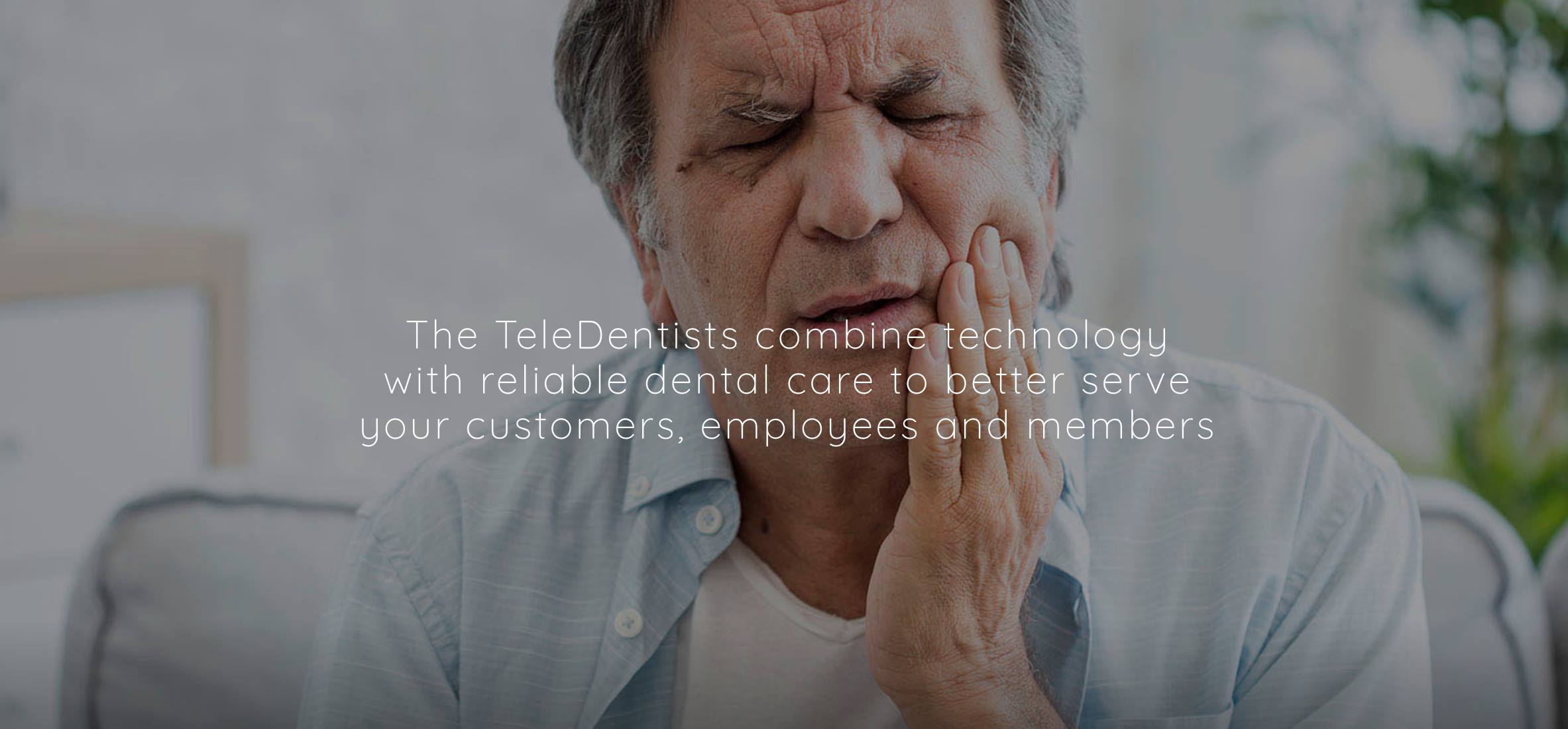
For a child with tooth pain but no airway problems, major trauma, or signs of a serious systemic infection, paying hundreds of dollars for an ER evaluation may still leave the underlying dental issue untreated.
The TeleDentists provides 24/7 virtual dental consultations for a flat $64 fee when insurance or another benefit does not apply. Patients can connect by smartphone, tablet, computer, phone, or web platform.
In many cases, a licensed dentist is available within approximately 10 minutes.
During a virtual consultation, the dentist can:
This makes online dentistry a clinical bridge. It does not attempt to replace procedures that require an office, X-rays, or dental instruments. Instead, it helps families make the right decision quickly and avoid sending every dental concern to the hospital.
That bridge can be especially valuable for families in rural communities, areas with limited pediatric dental access, or places where a child’s regular dentist is unavailable after hours.
A virtual dentist may be the appropriate first step when your child has:
A knocked-out tooth requires urgent dental guidance. If it is a permanent tooth and there is no major head or facial injury, contact a dentist immediately. Keep the tooth moist and avoid touching the root. A dentist can guide you on the safest next steps. Do not attempt to reinsert a knocked-out baby tooth unless specifically instructed by a dental professional.
The key point is simple: If the problem is dental but your child is medically stable, speak with a dentist as soon as possible.
The ER is the right destination: or 911 should be called: when dental symptoms create a threat to your child’s overall health.
Seek immediate medical care for:
The American Dental Association’s emergency guidance and American Academy of Pediatric Dentistry recommendations both emphasize the importance of immediate care for serious infection, uncontrolled bleeding, and significant trauma.
When in doubt, prioritize safety. A virtual dentist can help triage many situations, but no online service should delay emergency medical treatment when breathing, swallowing, consciousness, or severe swelling is involved.
Parents have more choices than simply waiting for a traditional dental appointment or going to a general medical ER. Compared with general telehealth platforms and appointment-based teledental services, The TeleDentists is built specifically around immediate oral health access.
Our differentiators include:
Learn more about The TeleDentists’ virtual dental services or review common questions about pricing, prescriptions, referrals, and eligibility in our FAQ.

A toothache at 8 p.m. on a school night can feel like a crisis. But not every dental emergency requires a hospital emergency department.
If your child is breathing normally, swallowing comfortably, has no signs of serious illness, and has no major facial or head trauma, a $64 online dental consultation is often the smarter first step than a $500-plus ER visit. You can get professional guidance quickly, understand what is happening, and determine whether your child needs medication, a local dentist, or immediate medical care.
The ER remains essential for airway concerns, spreading infection, uncontrolled bleeding, major trauma, and other life-threatening symptoms. For everything else, connecting with a dentist promptly may save your family time, money, and a missed day of school.

Save The TeleDentists before the next toothache, sports injury, or after-hours dental question interrupts your family’s routine.
For $64, you can connect with a licensed dentist 24/7: often within 10 minutes: from home.
Connect with The TeleDentists online now.
This article is for general educational purposes and is not a diagnosis or substitute for professional medical or dental care. Call 911 or go to the nearest emergency department for trouble breathing or swallowing, severe swelling, uncontrolled bleeding, major trauma, or other life-threatening symptoms.


