
November 26, 2026
Thanksgiving is for sharing a meal, not discovering an olive pit with your molar. But between the turkey, caramel corn, lively kitchens and kids’ table treats, dental mishaps can happen even on a holiday.
When they do, the first question is often where to turn. For a cracked tooth or lost filling, an online dentist may be a more appropriate and affordable first step than an emergency room (ER). For trouble breathing, severe swelling or major facial trauma, the ER is the right place. Here’s how to tell the difference.
Hard surprises in food can cause a painful bite, chip or crack. Olive pits, stray turkey bone fragments, unpopped kernels in caramel corn and hard candy are all worth watching for, especially when guests are eating while talking or children are sharing treats.

If you bite down on something hard and feel pain, stop chewing on that side. Rinse gently with warm water and, if you can see a broken piece of tooth, save it in milk and bring it to a dentist. A cold compress against the outside of your cheek may help with discomfort or swelling. Arrange dental care promptly; a virtual dentist can help assess what may have happened and advise on next steps.
A lost filling can leave a tooth sensitive or uncomfortable, but it usually doesn’t require an ER visit on its own. Keep the area clean, avoid chewing on that tooth and contact a dentist for guidance. Don’t put household glue or other adhesives in your mouth.
A busy kitchen can mean wet floors, crowded walkways and hot dishes moving from counter to table. A slip or fall may chip a tooth, or cut the lip or gums.
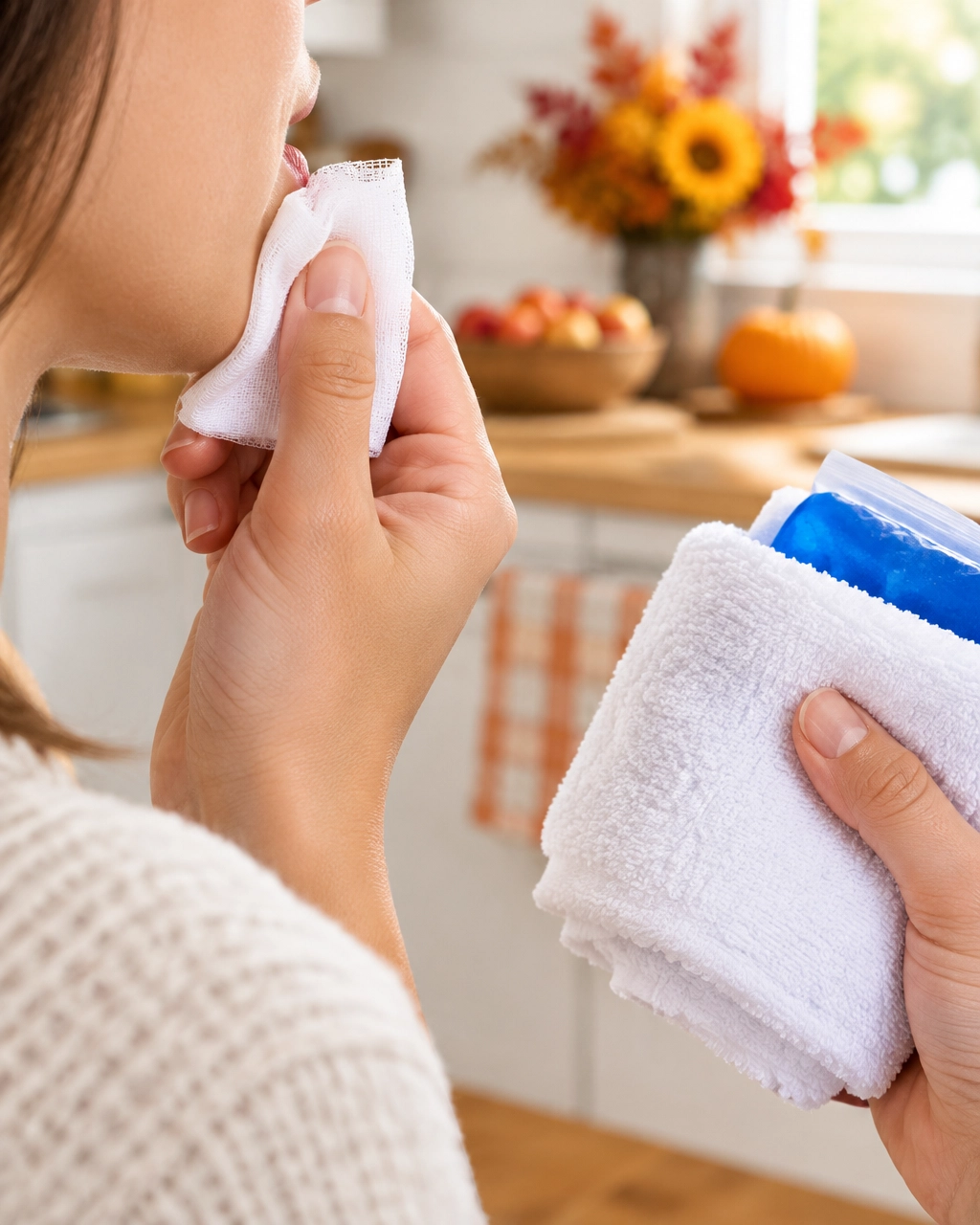
For a soft-tissue cut, apply steady, gentle pressure with clean gauze or a clean cloth. A cold compress held against the outside of the lip can help limit swelling. If bleeding is heavy, won’t stop with firm pressure, or the injury involves significant facial trauma, seek emergency medical care.
For a broken tooth, rinse gently and save any pieces you can find. If a permanent tooth is knocked out, pick it up by the crown, not the root, and keep it moist in milk while you seek urgent dental care. Don’t scrub the tooth. A knocked-out tooth needs prompt attention; call an emergency dentist or seek urgent dental advice right away. See the ADA’s guidance on dental emergencies for more first-aid information.
Some symptoms call for emergency medical care rather than a virtual dental consultation. Go to the ER or call 911 for:
These can signal a serious or rapidly worsening problem. Don’t wait for a dental office or a virtual appointment if breathing, swallowing or overall safety is at risk.
Most dental offices are closed on Thanksgiving Day, and that can leave people unsure where to go. The ER may feel like the only open option, but it usually isn’t equipped to provide definitive dental treatment such as placing a filling, repairing a cracked tooth or performing a root canal. An ER can assess urgent medical concerns and may help with symptoms, but you’ll generally still need a dentist for dental repair.
Cost matters, too. The ADA has cited an average charge of about $749 for a non-hospitalized dental-related ER visit, with reported charges in the range of roughly $400 to $1,500. These figures are averages based on historical data, not a current quote or a promise of what any particular hospital will charge. Actual costs vary by location, treatment, insurance and whether a patient is admitted. The ADA provides context on emergency department referrals for dental conditions.
For comparison, a self-pay virtual dental consultation with The TeleDentists costs $64. For a manageable tooth problem without red-flag symptoms, consulting a dentist first can help you understand what to do and whether you need in-person care. It isn’t a substitute for emergency medical treatment when serious symptoms are present.
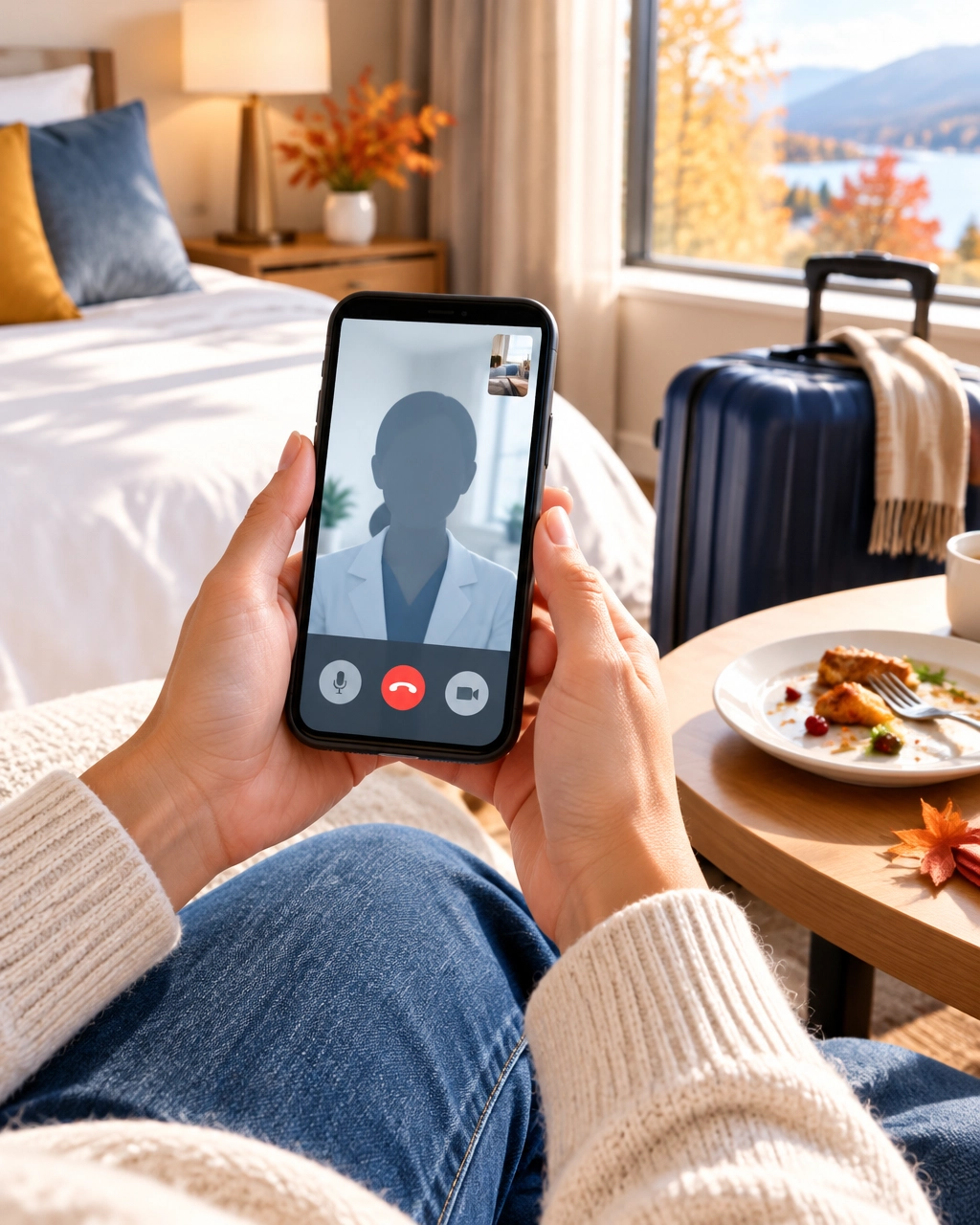
A virtual consultation can give you access to a licensed dentist when many offices are closed. The dentist can discuss your symptoms, review photos or video, assess the concern, offer guidance and recommend whether you need in-person care. When clinically appropriate, a dentist may prescribe non-narcotic medication or refer you to a local dentist who can see you.
A virtual visit cannot take X-rays, place a filling, repair a tooth or perform another in-person procedure. If you need hands-on treatment, the goal is to help you understand the next step, not to suggest that a video call can replace it. You can read more about the service and available care on The TeleDentists’ dental services page, and find additional answers in the FAQ.
The TeleDentists is a Google top-rated teledentistry service with an NPS of 95. Dentists are typically available within about 10 minutes, and consultations are available 24/7. If you’re away from home for the holiday, access doesn’t change: you can connect by video, app, phone or web.
Hosts and guests can reduce the odds of an unexpected dental problem with a few simple precautions:
A small bit of preparation can help everyone focus on the meal instead of a dental surprise.
A cracked tooth or lost filling during Thanksgiving dinner is stressful, but it doesn’t automatically mean an ER visit. For a dental concern without emergency warning signs, a $64 virtual consultation can be a practical way to get a dentist’s guidance when local offices are closed. If you have trouble breathing or swallowing, rapidly worsening swelling, uncontrolled bleeding, major facial trauma or severe illness with a high fever, seek emergency medical care immediately.
Need dental guidance this Thanksgiving? Book a virtual consultation with The TeleDentists, available 24/7. For more guidance, connect with The TeleDentists.


