
November 24, 2026
The first cold snaps of the season can bring a familiar jolt: you step outside, take a deep breath, and a tooth gives a sharp, sudden zing. If cold air or an iced drink makes your teeth ache, it may be sensitivity, but a lingering or worsening ache can signal a problem that needs dental care.
For many tooth-sensitivity concerns, an emergency room is an expensive first stop that cannot fix the tooth itself. A $64 virtual dental consultation can help you get timely guidance from a licensed dentist, decide what to do next, and find in-person care if needed. The TeleDentists offers consultations 24/7, with dentists typically available within about 10 minutes.
The outer enamel protects the crown of a tooth, while cementum helps cover the root below the gumline. Beneath those layers is dentin, which has tiny channels that can carry temperature sensations toward the tooth’s nerve. When enamel wears down or gums recede, cold can reach exposed dentin and trigger sensitivity.
Common causes include:
The American Dental Association’s guide to sensitive teeth describes worn enamel, exposed roots, decay, fractures, gum disease, and worn fillings as possible causes. Sensitivity is a symptom, not a diagnosis, so a dental professional can help assess what may be behind it.
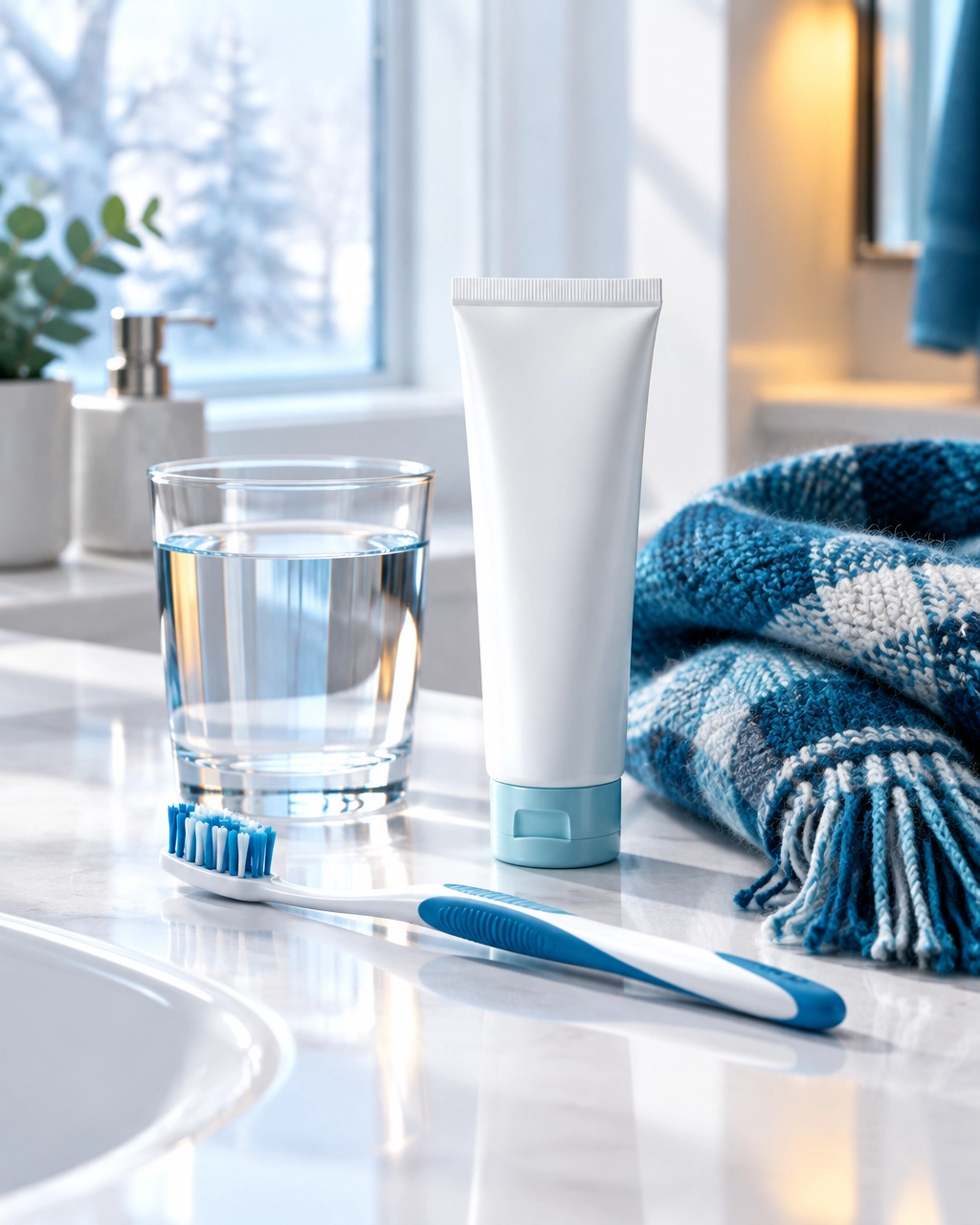
A sharp temperature change can set off a sensitive tooth. Cold air outdoors may be the first trigger; moving into a heated space or taking a sip of a cold drink indoors can bring another change in temperature. If dentin is exposed, these changes may produce a quick zing.
Notice what sets the pain off and what happens afterward. Does it stop quickly, or does it keep aching after the cold is gone? Does it come from one tooth? These details can help a dentist understand what you are experiencing.
A brief, sharp sensation that fades soon after the cold stimulus is gone can be consistent with dentin sensitivity. It does not, by itself, confirm that a tooth is healthy or tell you exactly what caused the pain.
Pain that lingers, gets worse, happens without a cold trigger, or hurts when you bite deserves prompt dental advice. A cavity, crack, or irritation inside the tooth may require treatment. Home remedies and desensitizing toothpaste cannot repair a damaged tooth.
If symptoms persist or worsen, don’t spend the winter wincing every time you step outside. A dentist can assess your symptoms and recommend whether you need an in-person examination.
These steps may help reduce triggers while you arrange dental care:
For a tooth that is sensitive to cold but has no emergency warning signs, a dentist is usually the right professional to assess the problem. Hospital emergency departments can evaluate urgent medical concerns, but they generally cannot provide definitive treatment such as a filling, bonding, or gum treatment.
There is also a significant difference in cost. An American Dental Association Health Policy Institute analysis found an average charge of $749 for a dental-related ER visit in 2012. That is an older national estimate, not a current price quote or a prediction of what any individual patient will owe. Actual charges and out-of-pocket costs vary by location, insurance, and services. By comparison, a self-pay consultation with The TeleDentists costs $64. The consultation is for professional assessment and guidance; it does not replace any in-person procedure your tooth may need.
In a virtual consultation, a licensed dentist can discuss your symptoms, review photos when useful, and advise on next steps. When appropriate, a dentist may prescribe non-narcotic medication and refer you to a local dentist for in-person care, such as a filling, bonding, or gum treatment. Learn more about The TeleDentists’ virtual dental consultations.
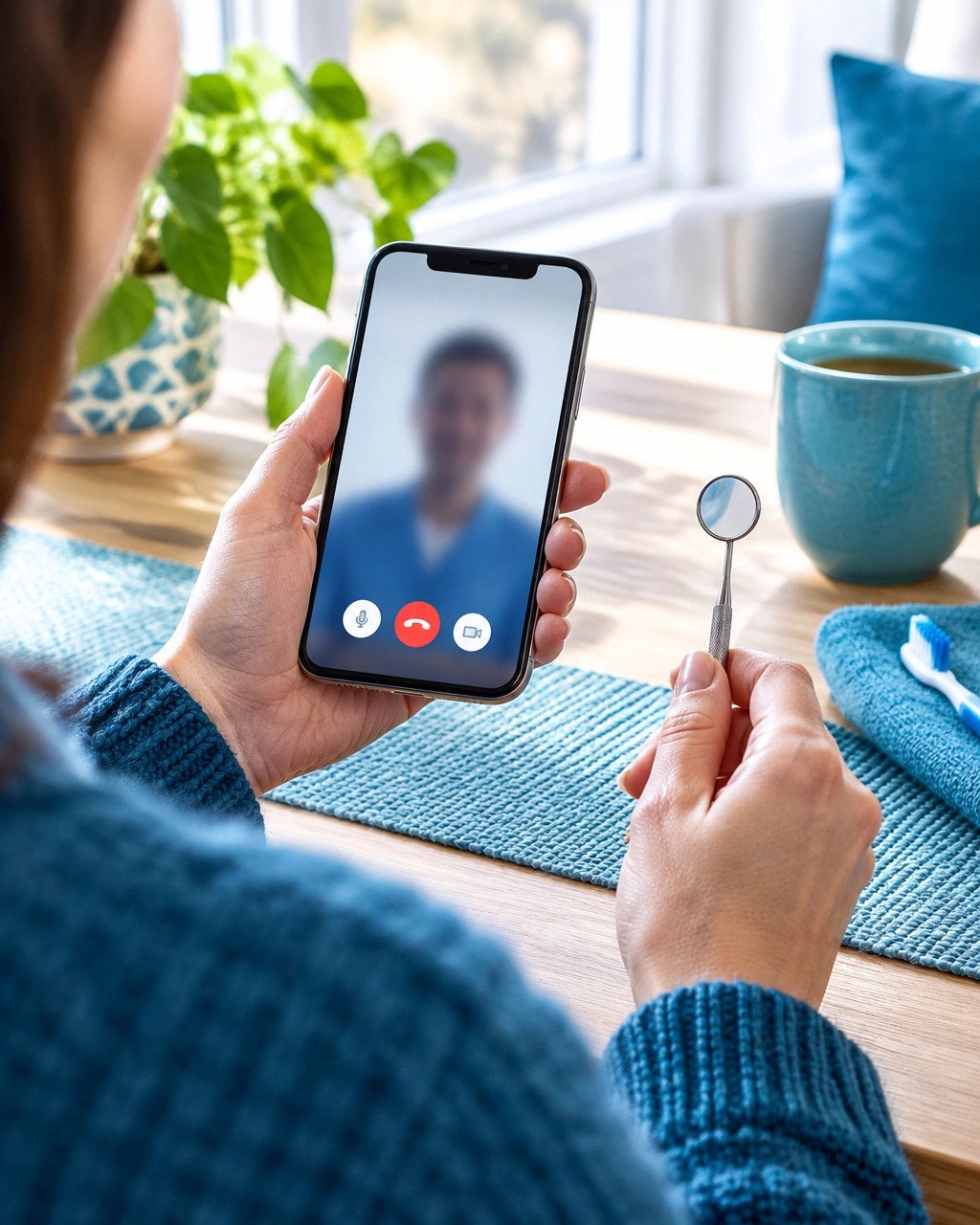
Go to an emergency department now for trouble breathing or swallowing, rapidly spreading facial swelling, swelling near the eye, uncontrolled bleeding, or a high fever with severe illness. These symptoms may signal a serious problem that needs urgent medical evaluation. If breathing is in danger, call 911.
For tooth sensitivity without these warning signs, a dentist can help determine the right next step. Don’t wait for routine office hours if you are concerned: The TeleDentists provides 24/7 access, and dentists are typically available within about 10 minutes. Consultations are available by video, app, phone, or web.
The TeleDentists is Google’s top-rated teledentistry service, has an NPS of 95, and offers licensed dental professionals typically available within about 10 minutes, 24/7. A virtual consultation can help you understand what your symptoms may mean and whether you need in-person treatment, without making an ER your first stop for routine tooth sensitivity.
Book a $64 consultation with The TeleDentists.
Clinically reviewed by Dr. Maria Kunstadter, DDS, CEO and co-founder, The TeleDentists
For more guidance, connect with The TeleDentists.


