
It’s 2:00 AM on a Tuesday. Your molar is pulsing with a rhythmic, agonizing throb that makes sleep impossible. You’re staring at your phone, oscillating between two tabs: the directions to the nearest 24-hour Emergency Room and the login page for a virtual dental consultation.
One will cost you upwards of $500 (and that’s if you’re lucky). The other is a flat $64.
In the high-stakes world of modern healthcare, "cheaper" usually triggers a skeptical reflex. We’re taught that you get what you pay for. But when it comes to dental emergencies, the old rules are being rewritten by technology. As of May 2026, the data is clearer than ever: for the vast majority of dental crises, the $64 online visit isn't just a "budget" alternative: it’s actually the superior medical choice.
Let’s break down why the traditional ER path is a legacy system that's costing you time, money, and health, and why the tech-forward approach of The TeleDentists is the future of oral care.
Let's talk numbers first, because the disparity is staggering. According to recent healthcare billing data, the average cost of an ER visit for a dental-related complaint ranges from $400 to $1,500. This price tag includes facility fees, triage costs, and the premium of seeing a general practitioner in an acute care setting.
Contrast that with The TeleDentists, where a consultation is a transparent, flat fee of $64.
But the "sticker price" is only half the story. When you go to the ER for a toothache, you aren't actually solving the problem. ER doctors are incredible at saving lives, but they are not dentists. They don't have the specialized chairs, the high-speed drills, or the specific diagnostic training for oral pathology.
This means the ER visit is almost always a "stop-gap." They might give you a prescription for antibiotics or pain management, but they will inevitably tell you: "Follow up with a dentist as soon as possible."
Now you’re paying twice. You’ve paid $500+ for the ER "Band-Aid," and you still have to pay a local dentist to actually fix the cavity, perform the root canal, or extract the tooth. When you start with a $64 virtual consult, you skip the expensive middleman and get straight to the specialist who can actually triage your situation.
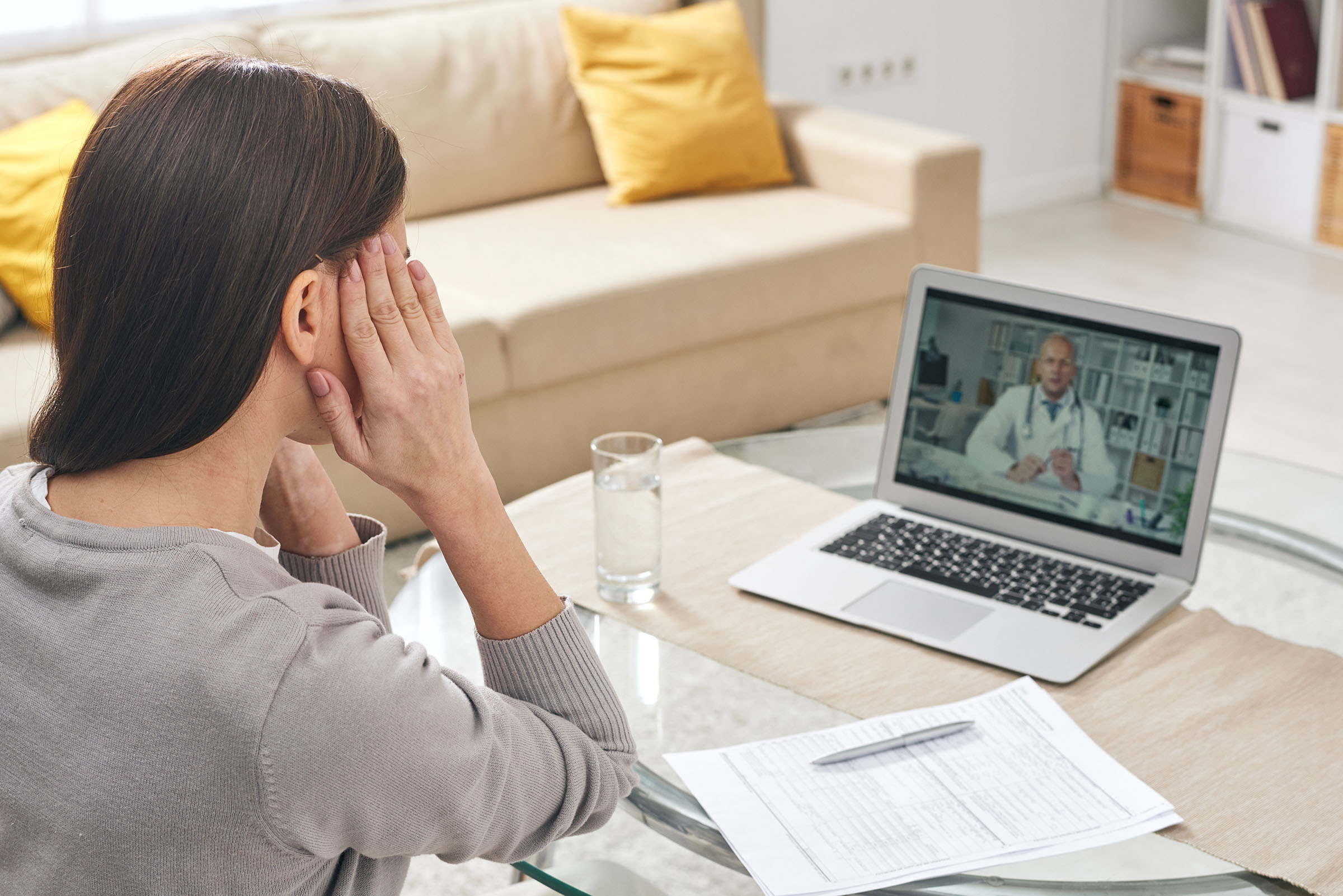
If you’ve ever sat in an ER waiting room, you know it’s not a "fast-track" experience. You are triaged based on severity. In a room full of broken bones, chest pains, and respiratory distress, a toothache: no matter how painful it feels to you: is often pushed to the bottom of the priority list. It’s common to wait 4 to 8 hours just to be seen.
Furthermore, the ER environment is a hub for pathogens. In a post-pandemic world, sitting in a crowded waiting room for six hours for a non-contagious dental issue isn't just inconvenient; it’s an unnecessary risk.
This is where the $64 online dentist shines. Using a platform like The TeleDentists isn't just about saving money; it’s about accessing a higher level of specialized care instantly.
Within about 10 minutes of logging in, you are face-to-face with a licensed dentist. This isn't a general practitioner trying to remember their one semester of oral anatomy; this is a professional who lives and breathes dental health.
Through high-definition video and advanced teledentistry technology, the dentist can visually inspect the area, assess the level of infection, and provide a definitive path forward.
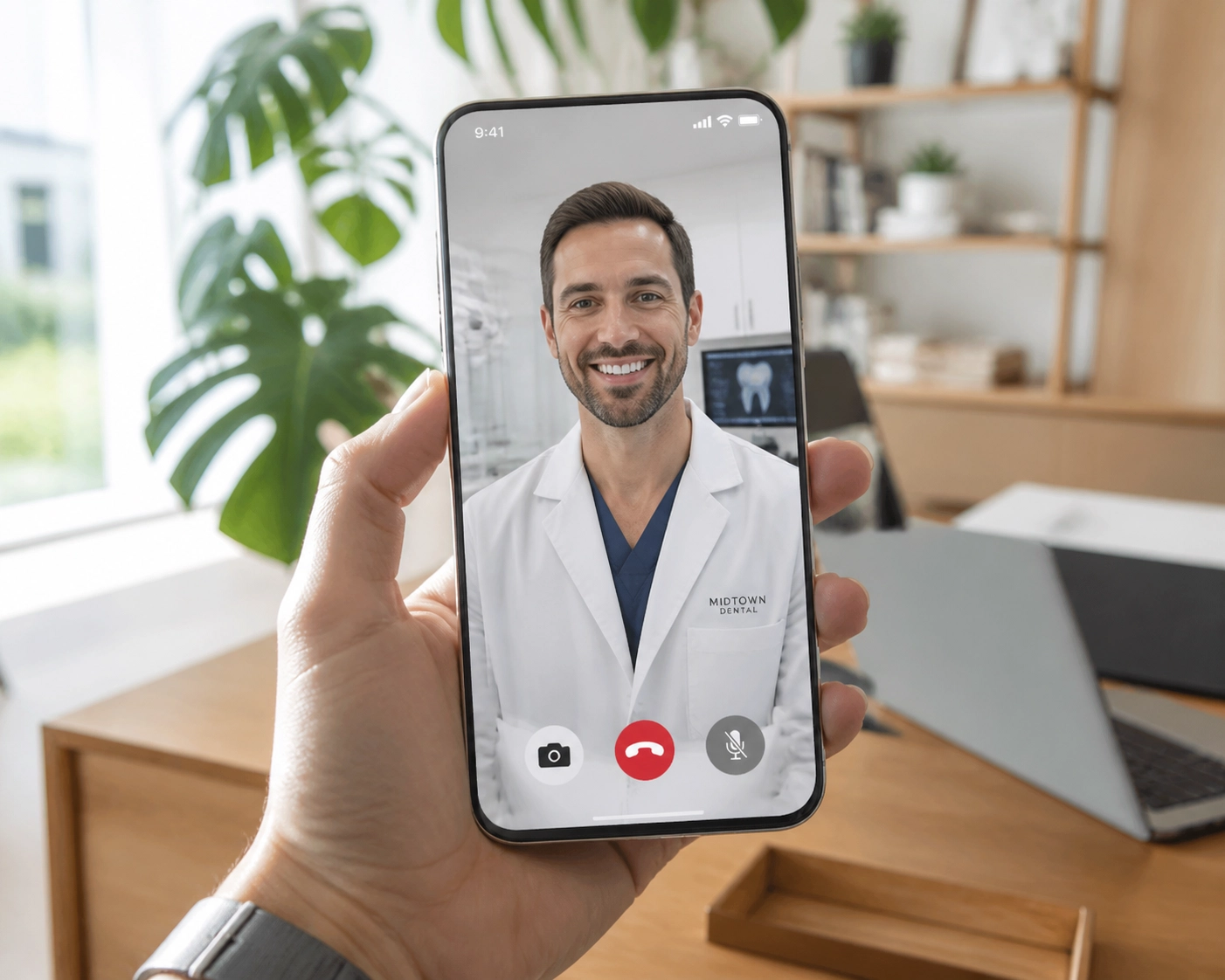 (Image Suggestion: A sleek, modern minimalist graphic showing a smartphone with a clean dental dashboard interface, symbolizing the speed and tech-forward nature of the service.)
In 2026, we value our time as much as our money. The convenience of being seen from your living room, in your pajamas, while holding an ice pack to your face, cannot be overstated. There is no commute, no parking fees, and no "waiting room anxiety."
This efficiency extends to the workplace, too. For employers, teledentistry is a game-changer. When an employee has a dental emergency, the old way meant losing a full day of productivity to the ER or a frantic search for an open dental office. With a virtual option, they can be diagnosed and treated in 15 minutes and get back to their day. It’s why so many businesses are now integrating teledentistry into their benefits packages.

We’re all about honesty here. While the $64 online visit is the right choice 90% of the time, there are rare instances where you should head straight to the hospital. These are true medical emergencies that happen to involve the mouth:
If it’s "just" a toothache, a lost crown, or a suspected abscess, the ER is the expensive way to get a mediocre result.
There’s a lingering myth that "online" means "lower quality." In reality, the dentists on our platform are the same ones you’d see in a high-end brick-and-mortar practice. The difference is the delivery system. By removing the overhead of a physical office: the electricity, the front-desk staff, the real estate: we can pass those savings directly to you.
 (Image Suggestion: A modern, minimalist lifestyle shot of a professional woman using a tablet for a dental consult in a bright, clean apartment setting, emphasizing the seamless integration of health and lifestyle.)
Our goal is to act as the "Dental ER" without the ER price tag. We bridge the gap between "something is wrong" and "I'm in the dentist's chair getting it fixed." We call this the link between dental and medical care, ensuring that oral health is never sidelined because of cost or convenience.
The next time you: or someone you love: is dealing with dental pain, don't default to the most expensive, least efficient option. You don't need a hospital; you need a dentist. And in the digital age, that dentist is only a few clicks away.
Is a $64 online dentist better than a $500 ER visit?
For your wallet? Yes. For your schedule? Yes. For your long-term dental health? Absolutely.
Don't wait for the pain to become unbearable. Explore our Frequently Asked Questions to see how we can help you today.
Sign Up for The TeleDentists Today and experience the future of emergency dental care. Quick, affordable, and professional: the way healthcare should be.


